
Decarbonization demands innovation. With expertise across the decarbonization value chain, Aquatech engineers fully customized solutions integrating into both greenfield and brownfield sites. Discover how Aquatech can provide the treatment technology required to make your net-zero commitment a reality.
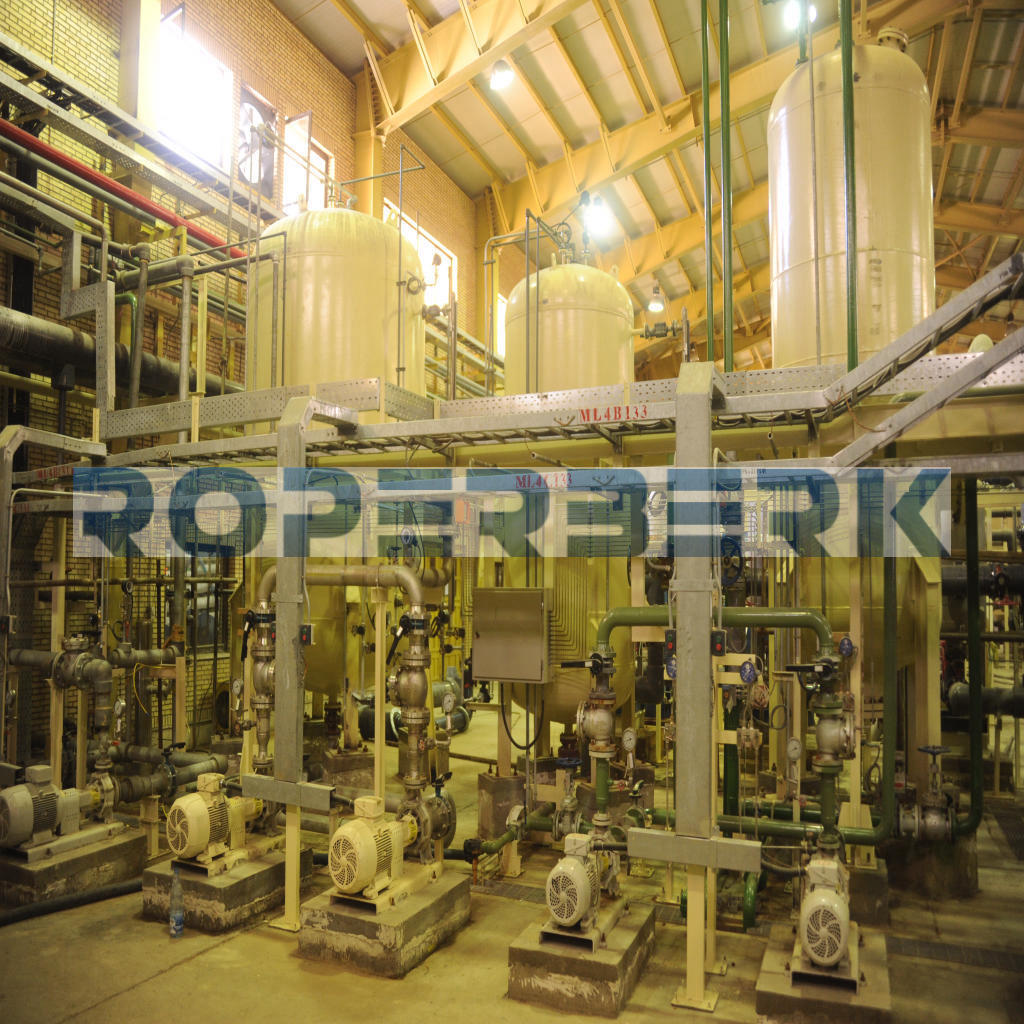
To support a 2000 MW thermal power plant, a high-capacity demineralized water system was required. The feed water came from surface and river sources, but due to underground water fluctuations, part of the return flow from turbines and the CPP unit was reintroduced, creating challenges in water quality consistency.
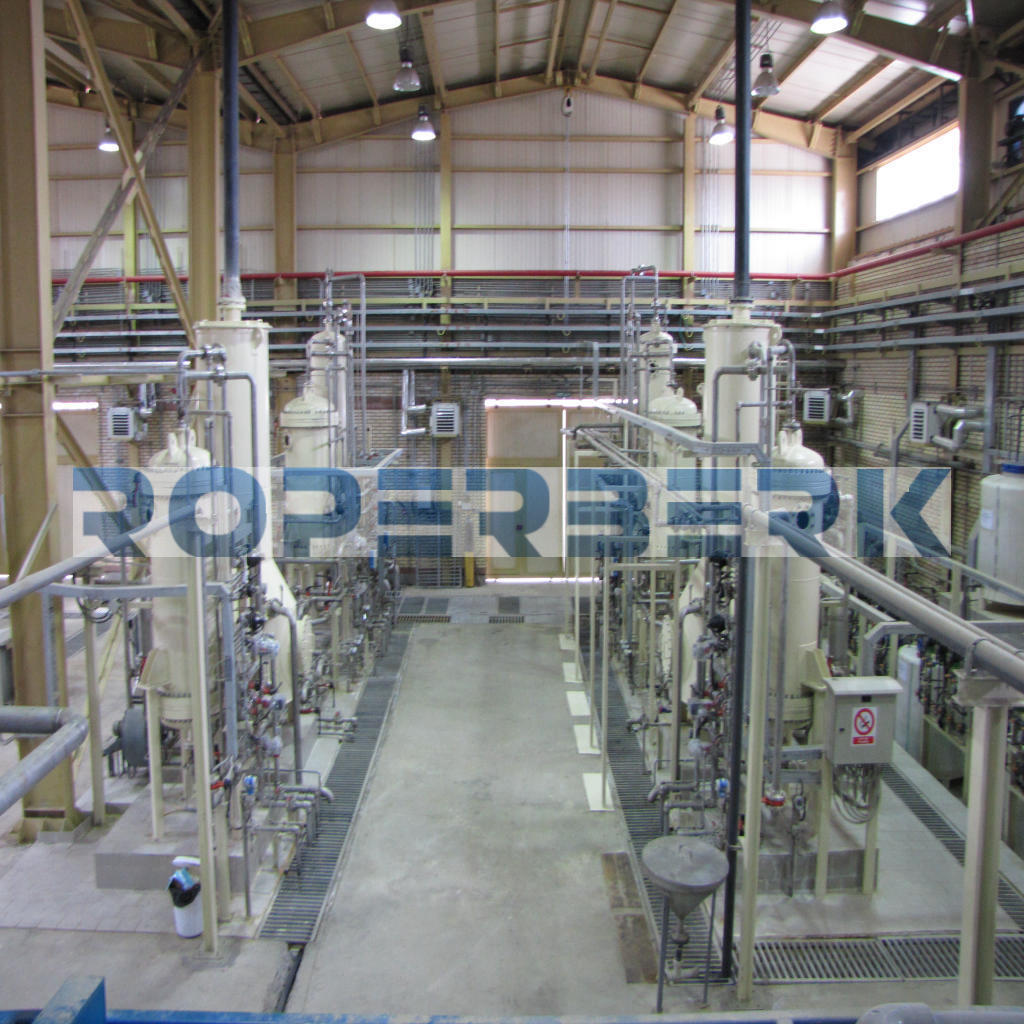
The IST Power Plant required ultrapure water from well sources with high silica content. Without a buffer tank, the system had to operate continuously through two parallel lines at 50% capacity each.
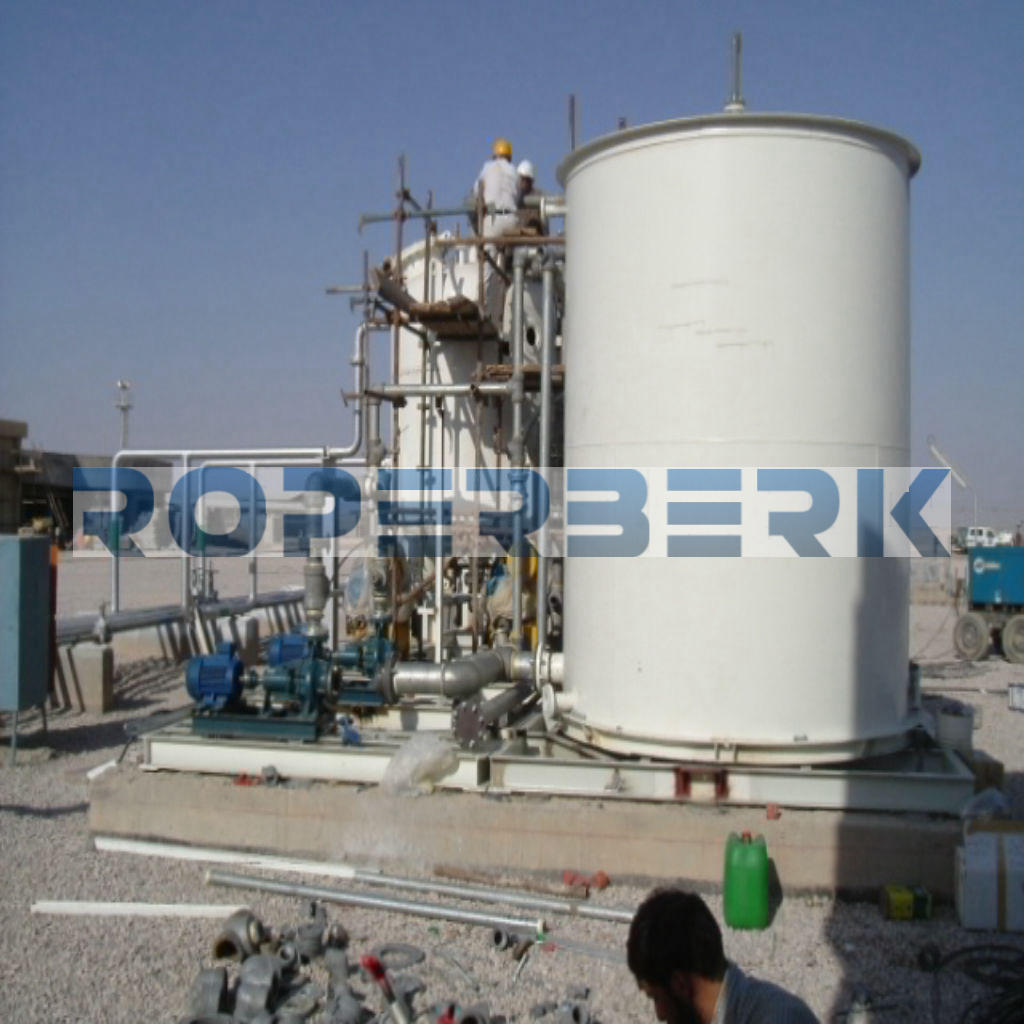
The steel plant required a reliable source of treated water to support its production processes. The feed water was a combination of surface water and pretreated effluent, with seasonal fluctuations in quality and high levels of suspended solids.
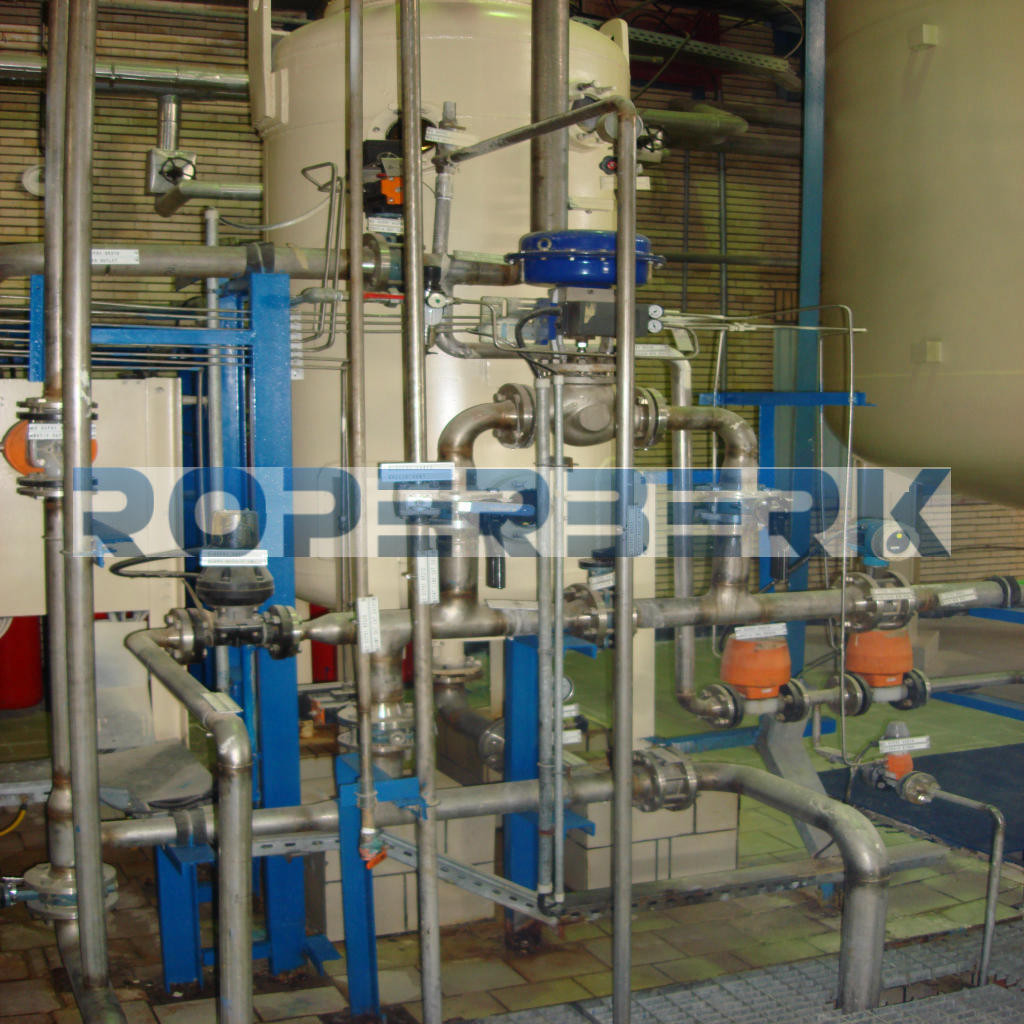
The pharmaceutical plant required high-purity boiler feed water to support steam generation for production. The feed water was a mix of surface and pretreated water, with seasonal variations in turbidity and mineral content.
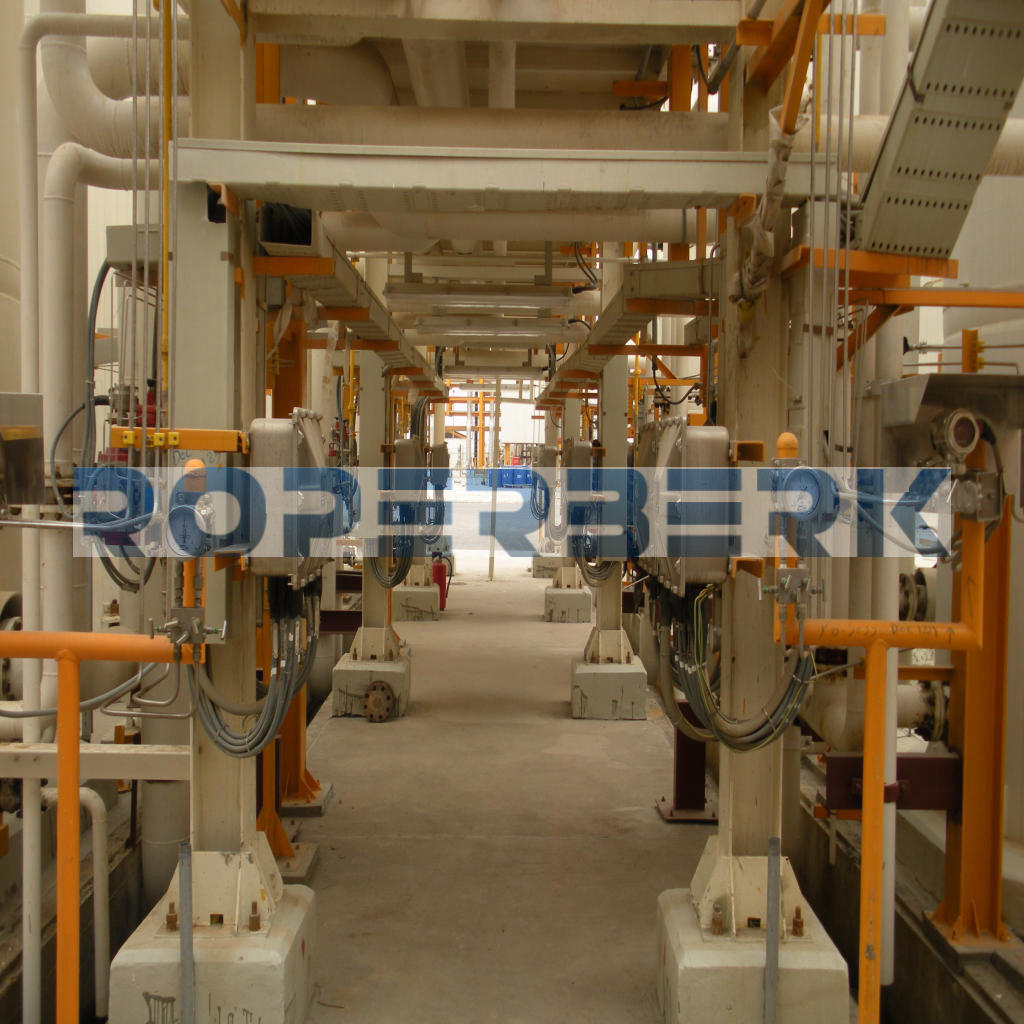
The paper production facility required high-quality process water. The feedwater, drawn from a nearby lake, contained seasonal biological and organic compounds due to algal blooms and runoff.
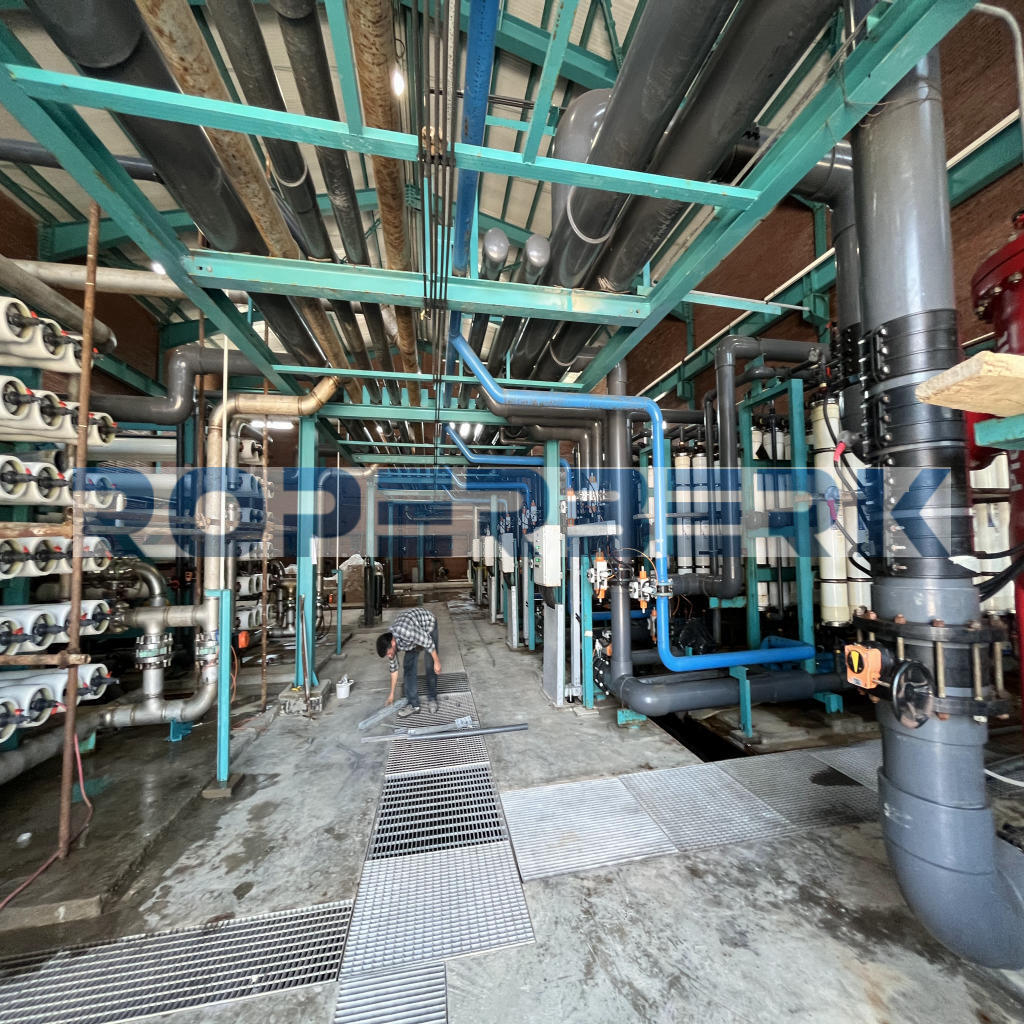
The petrochemical plant faced challenges in treating effluent containing heavy organic and biological compounds. The feed water was a mix of surface runoff and complex industrial discharge.
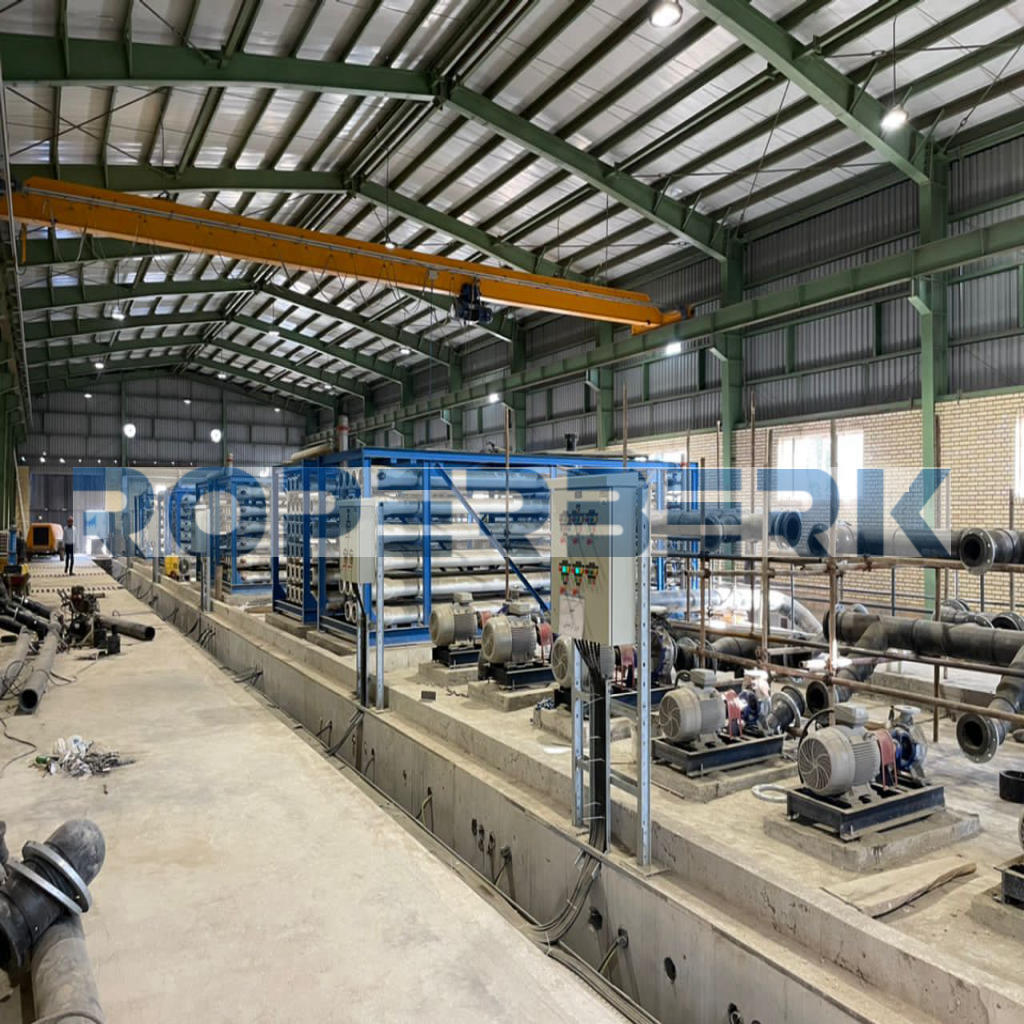
The steel plant aimed to reuse all wastewater generated from industrial, administrative, and surface runoff sources. The feedwater contained heavy metals, oils, and suspended solids, requiring advanced treatment.
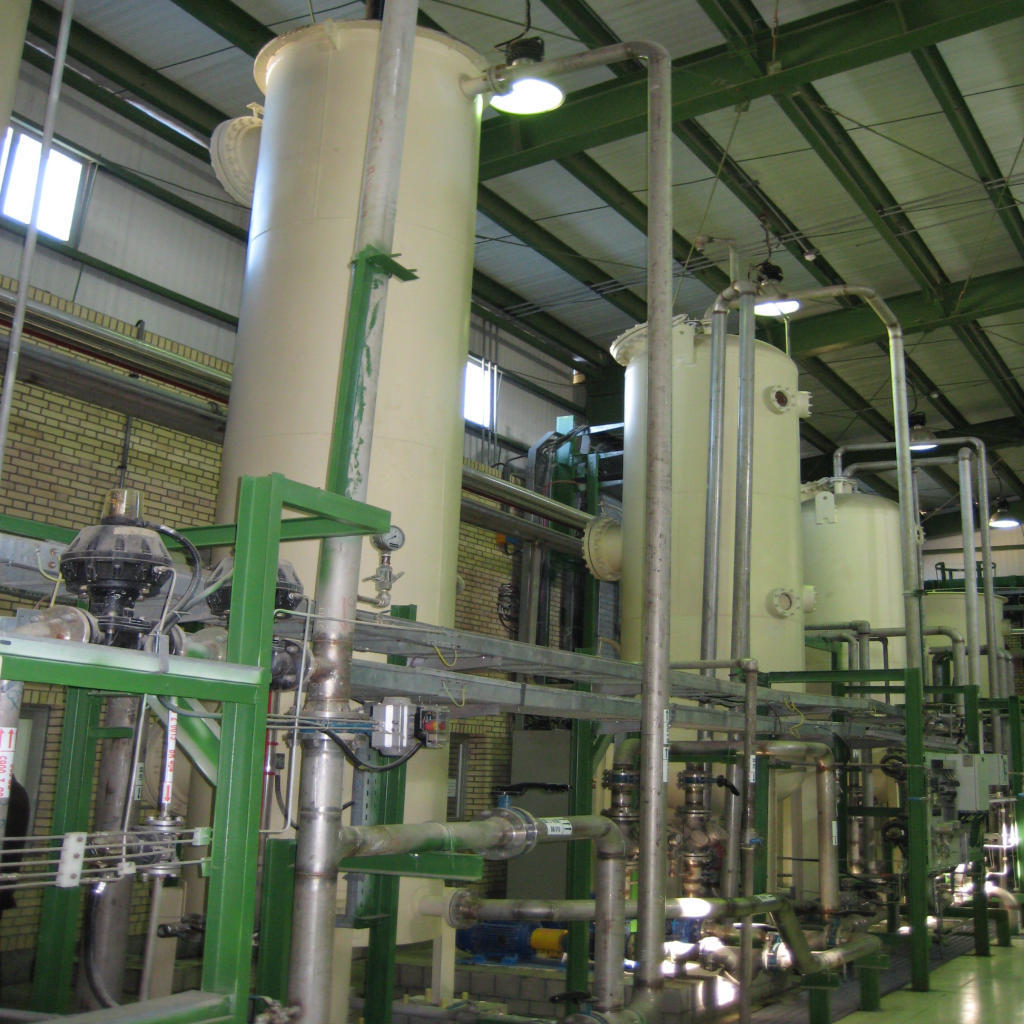
To support steam generation in a thermal power plant, a high-purity demineralized water system was required. The feedwater was sourced from subsurface aquifers, with seasonal silica fluctuations posing a challenge to water quality stability.
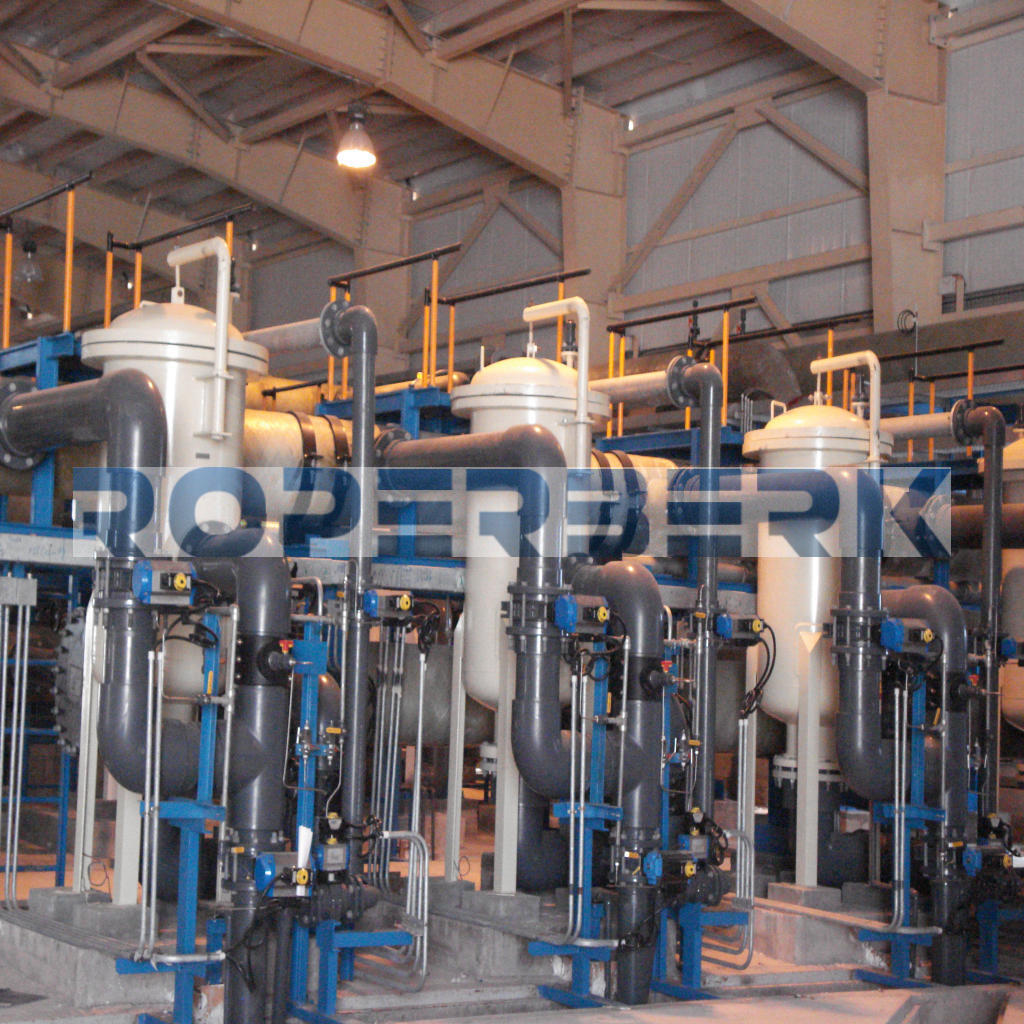
A coastal residential area required a compact desalination system to provide safe drinking water. The feedwater, drawn from the sea at an 8-meter depth, contained high salinity and undesirable compounds.
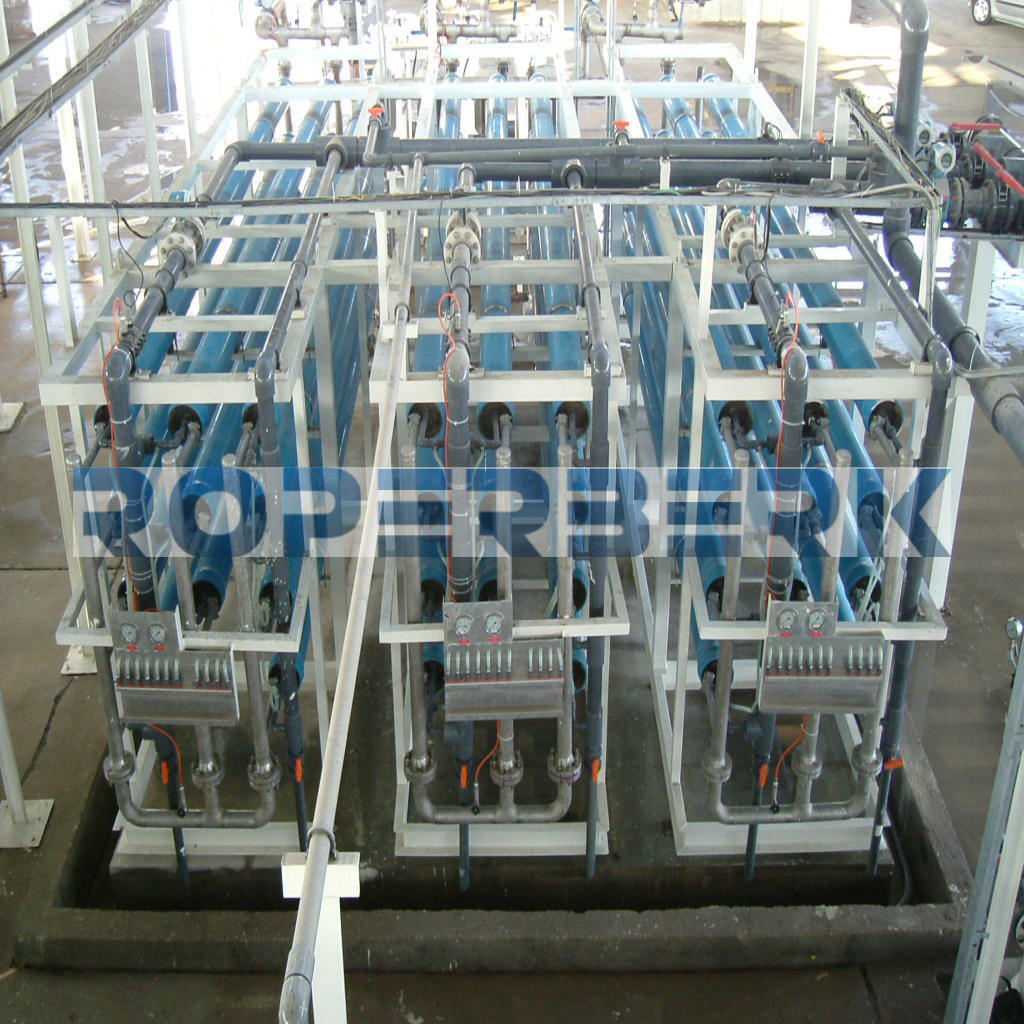
The petrochemical facility required a comprehensive treatment system for oily wastewater containing heavy metals and hydrocarbons. The feedwater was drawn from river sources with high seasonal turbidity and organic load.