Definition and Applications
Electrodeionization (EDI) combines ion exchange and direct current to continuously remove ions, producing ultrapure water up to 18 MΩ·cm. Used after RO in pharmaceuticals, power plants, electronics, and laboratories. Preferred over traditional mixed bed for continuous operation without chemicals.
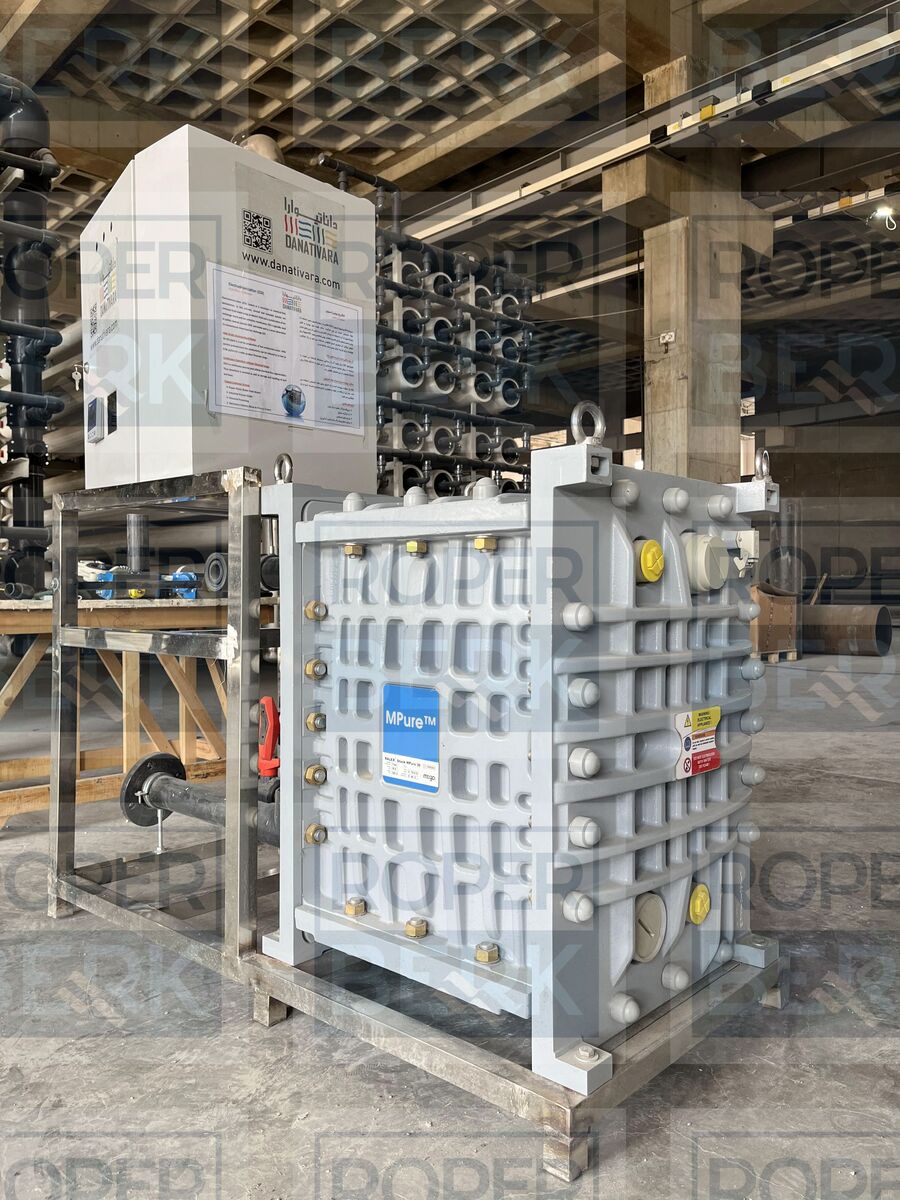
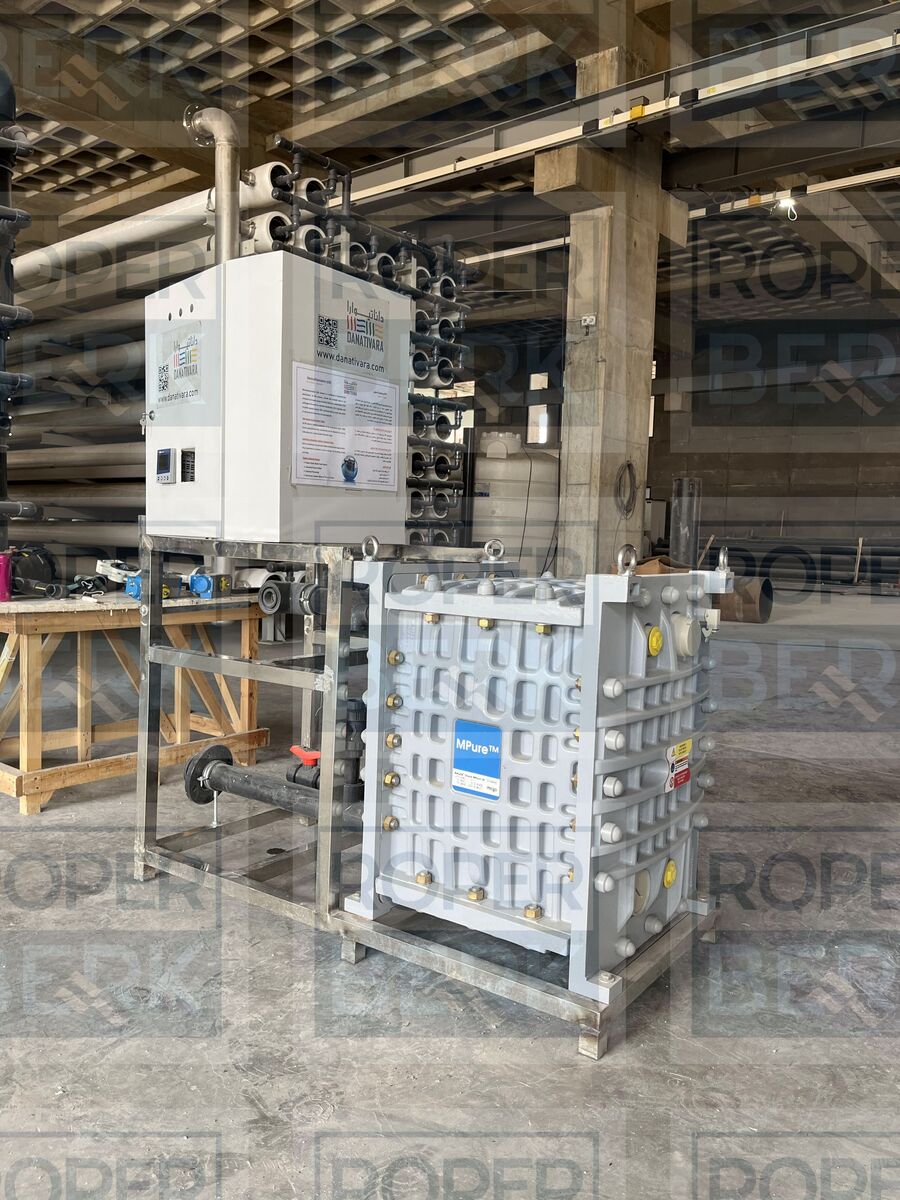
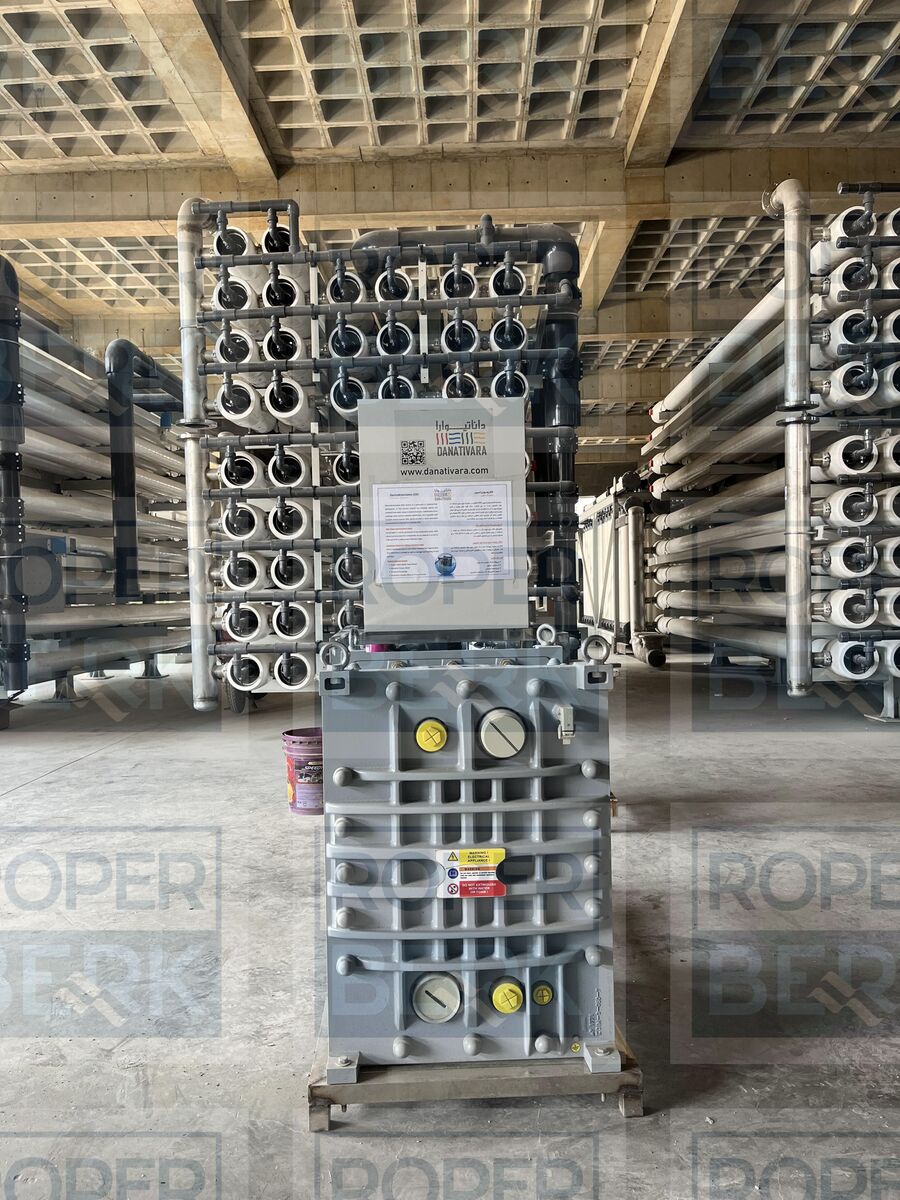
Main Component | Function and Features |
|---|---|
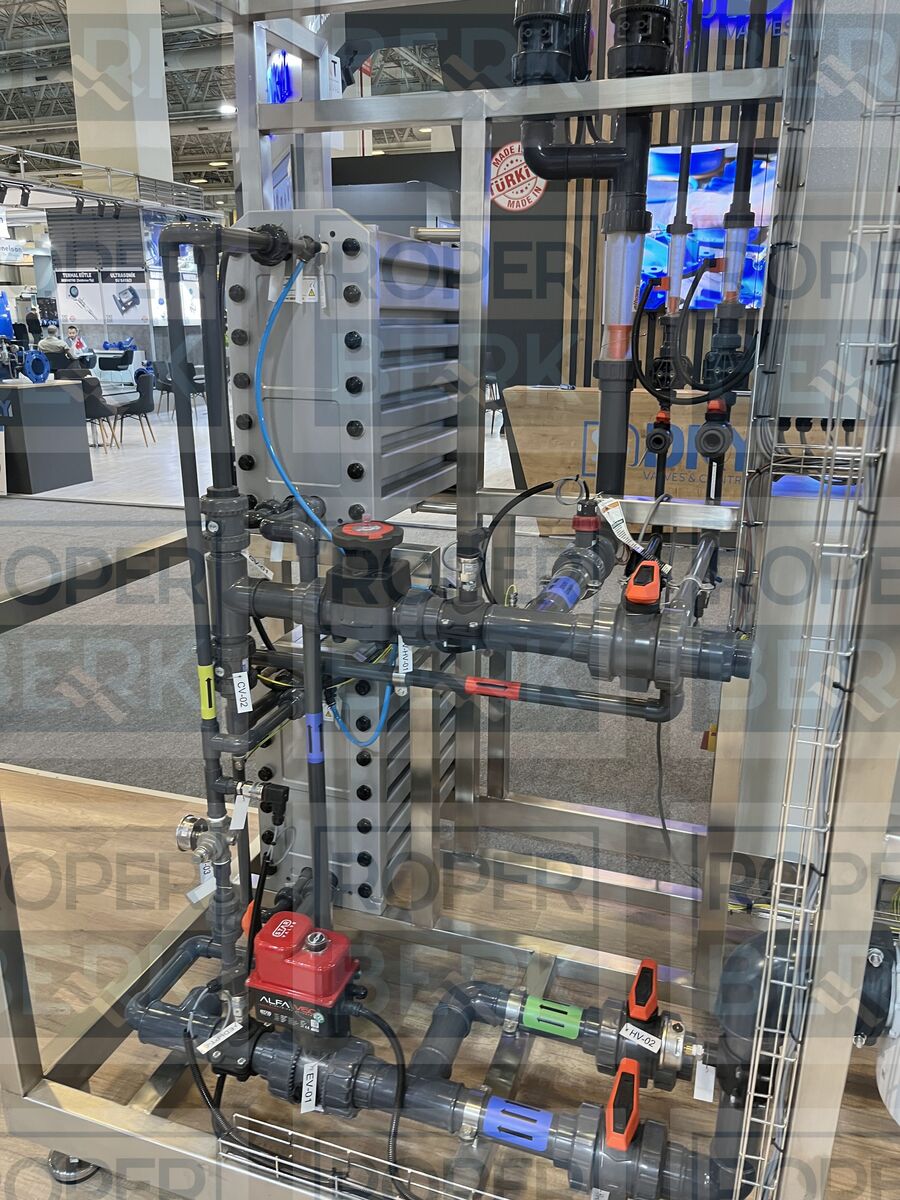
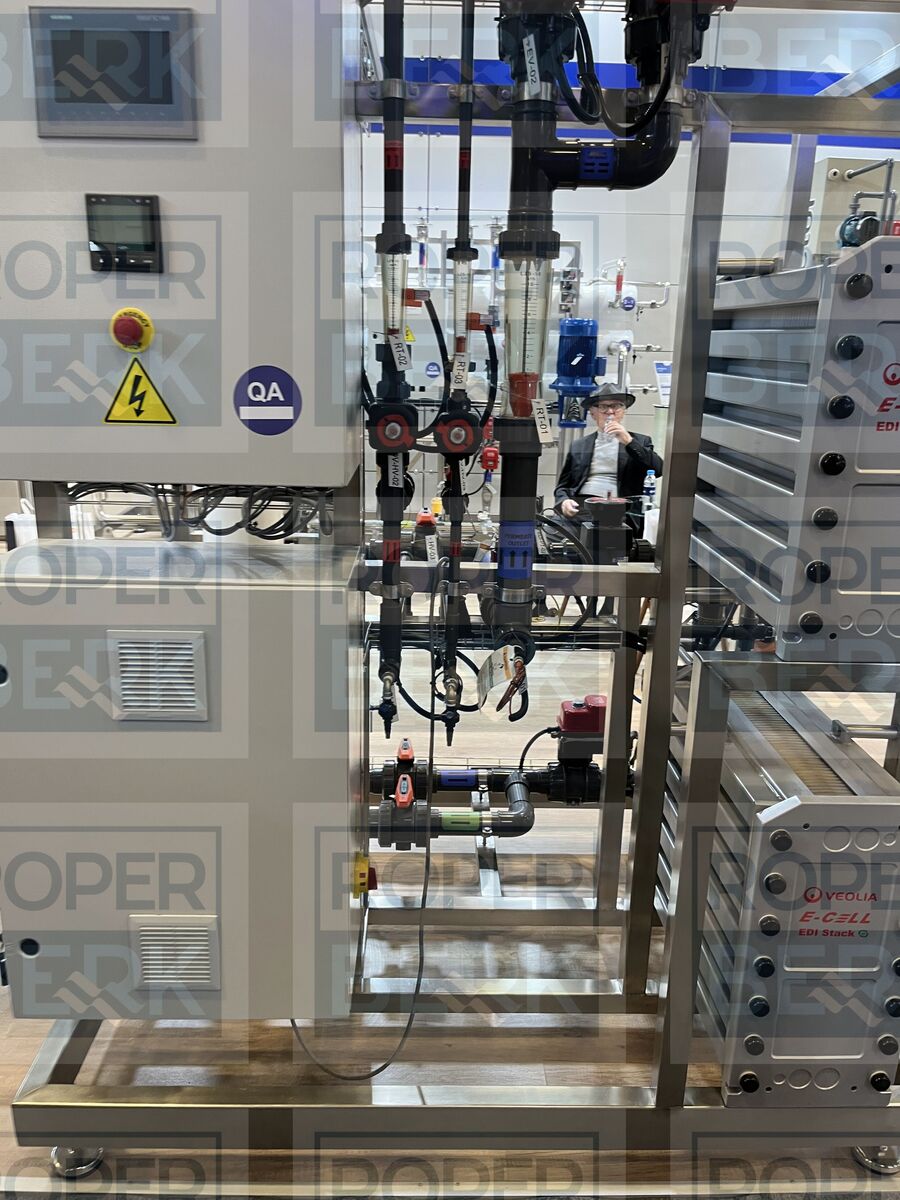
EDI stack | Modular channels with dilute/concentrate compartments, cation/anion membranes, ion exchange resins |
DC power supply | Provides direct current (0–400 V, 0–5 A) |
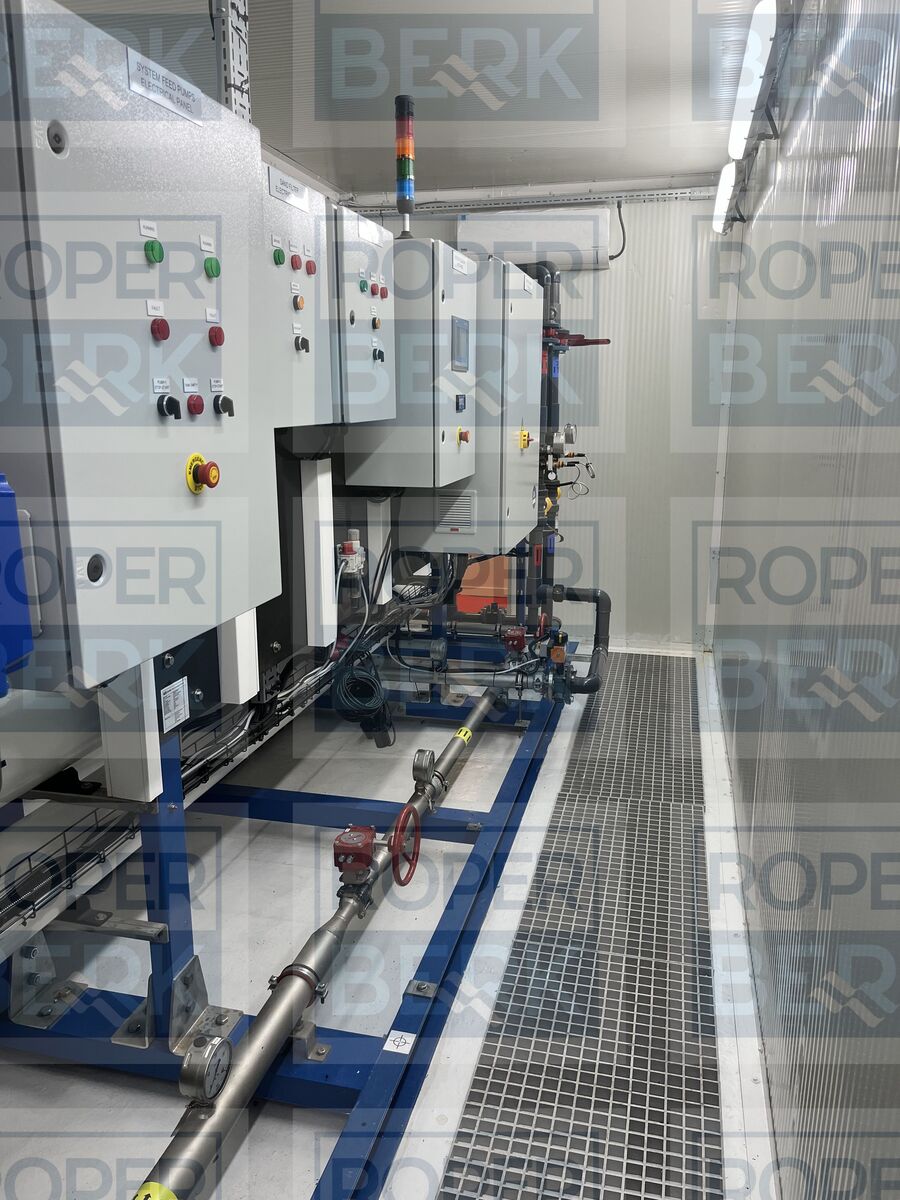
Control panel & PLC | Controls voltage, current, flow, monitors water quality |
Sensors & instrumentation | Pressure, flow, conductivity, temperature, tank levels |
Feed pumpControl panel & PLC | Provides pressure (4–7 bar) |
CIP system | Periodic cleaning if required |
Storage tank | Collects permeate and concentrate |
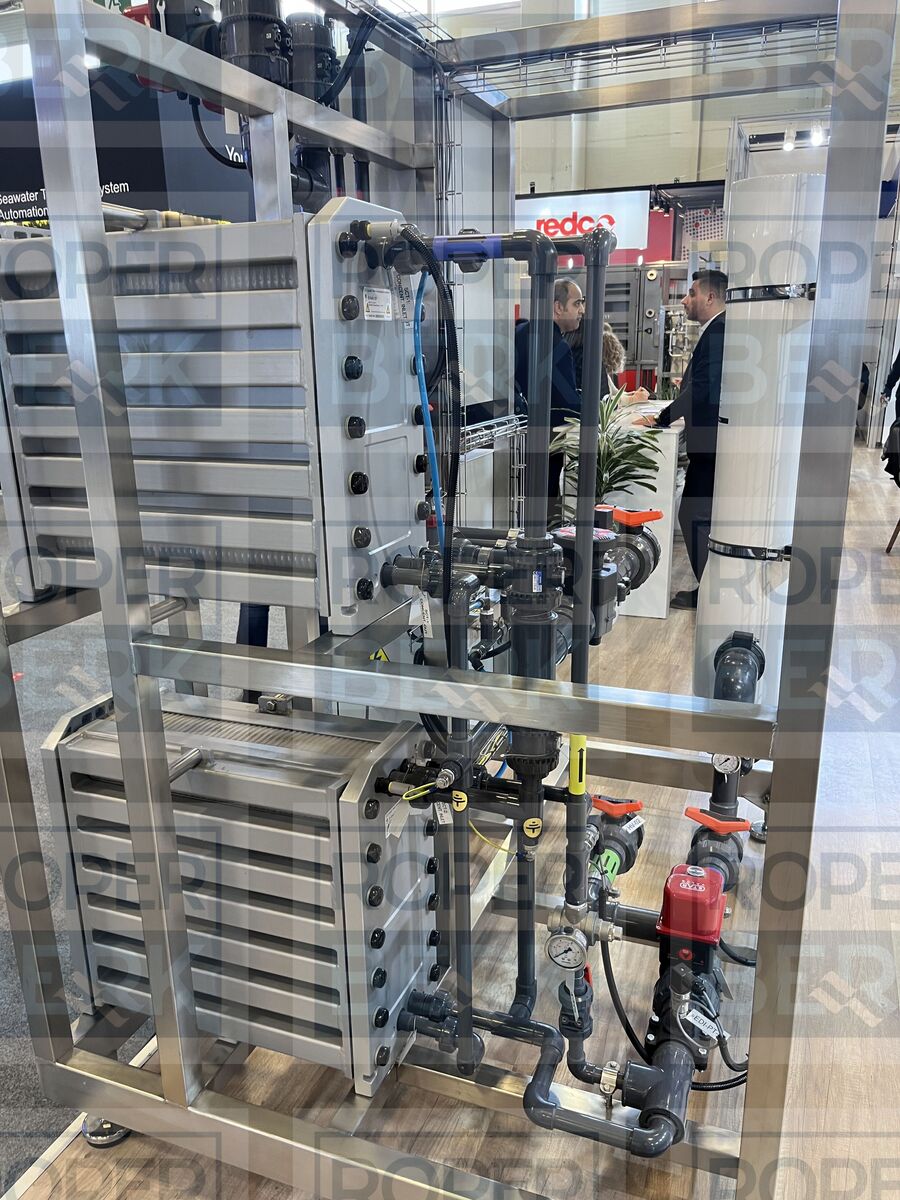
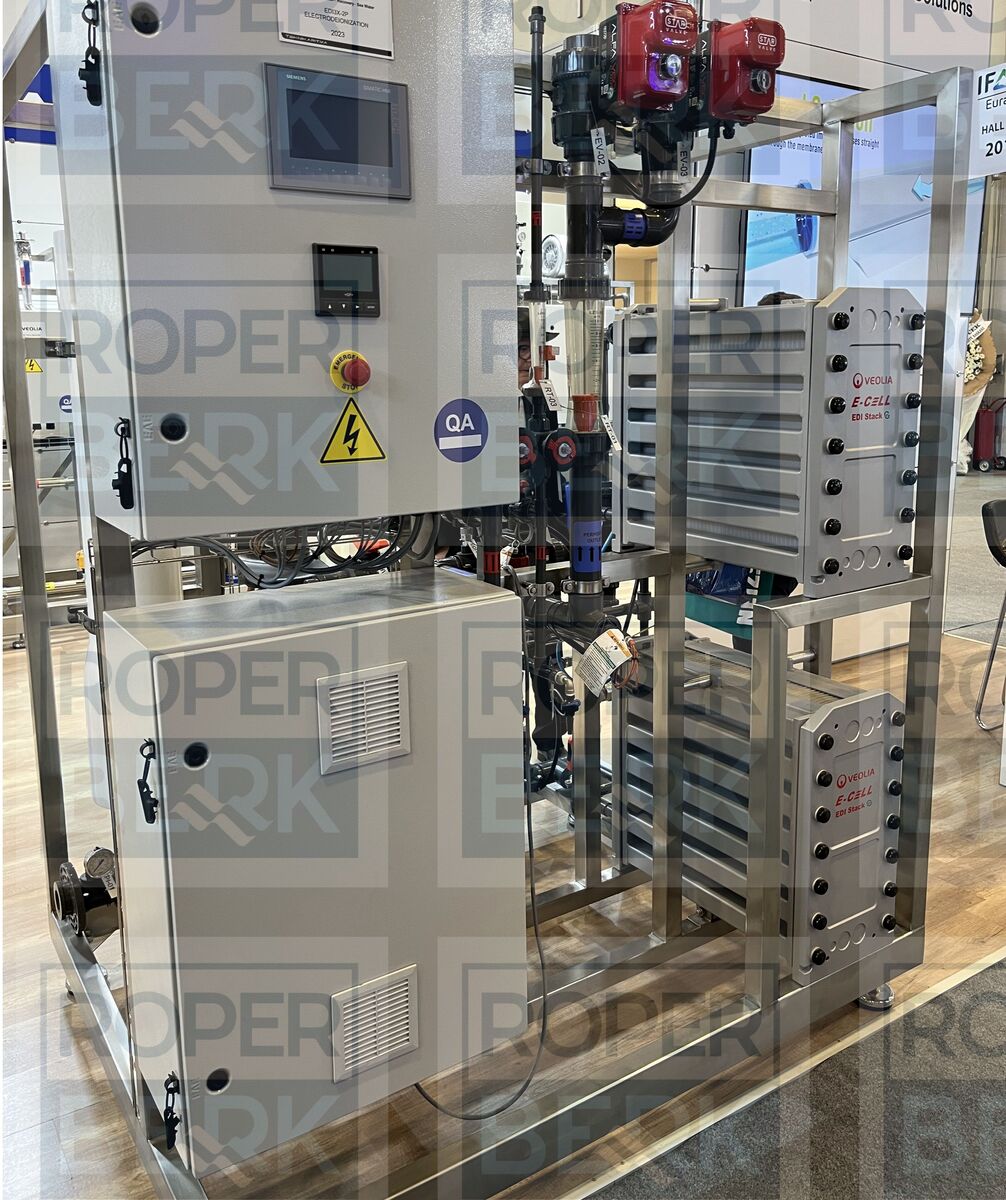
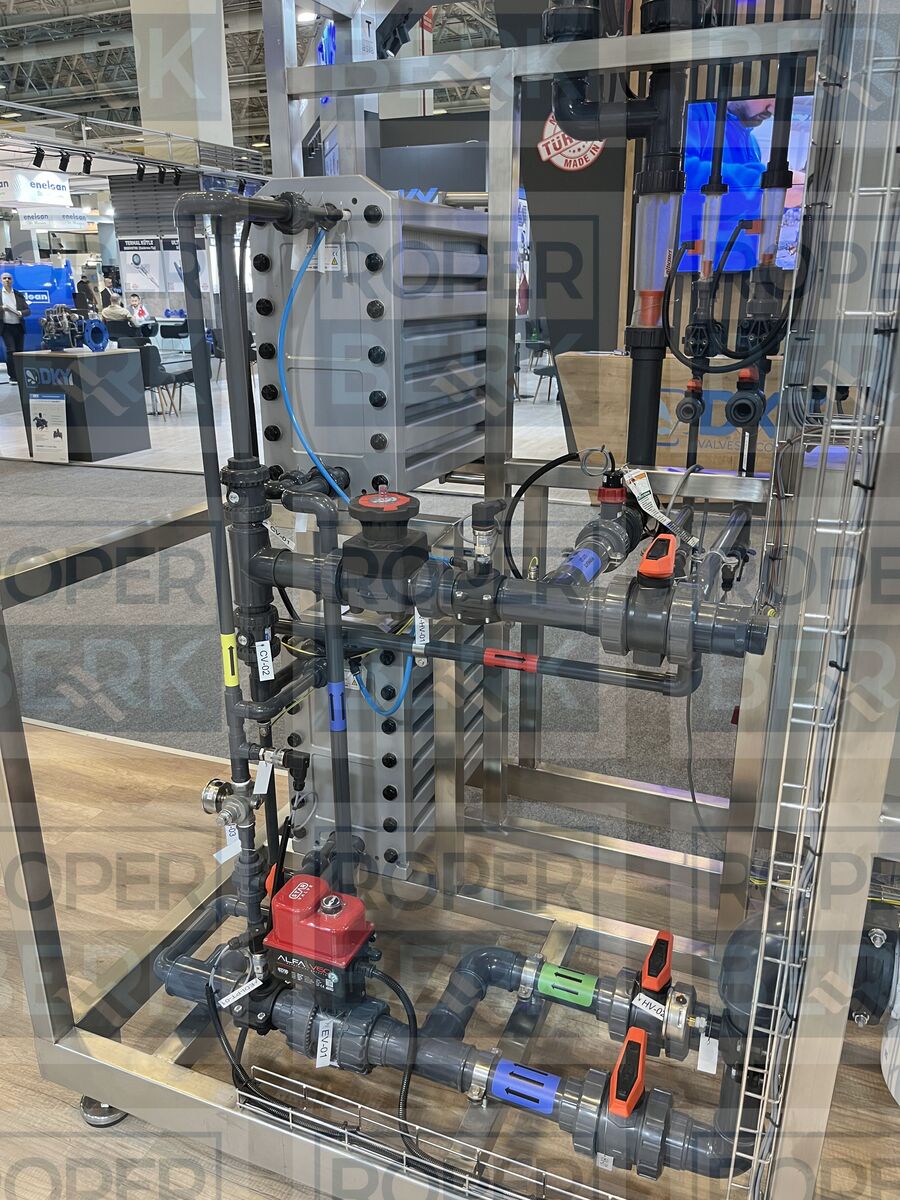
Process and Design Parameters
RO permeate enters EDI stacks. Ions are absorbed by resins and driven across membranes by electric field. Resins are continuously regenerated by water splitting, eliminating chemical regeneration.
Key parameters:
Advantages and Comparison
Feature | EDI | Traditional Mixed Bed |
|---|---|---|
| Output quality | Very high (up to 18 MΩ·cm) | Very high (up to 18 MΩ·cm) |
| Chemical use | None | Requires acid/caustic |
| Operation | Continuous, automatic | Batch, requires regeneration |
| Operating cost | Lower | Higher |
| Maintenance | Easy | Requires operator |
| Footprint | Smaller | Larger |
| Quality stability | Very high | Dependent on regeneration |