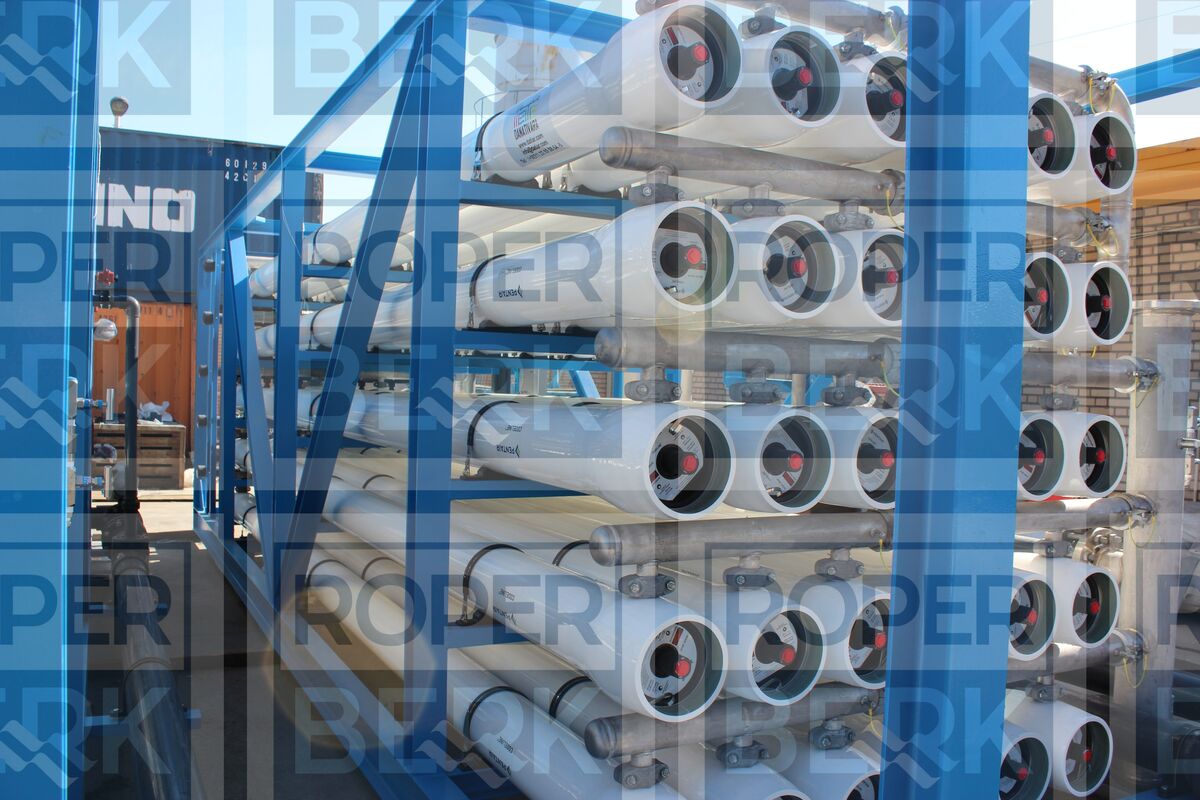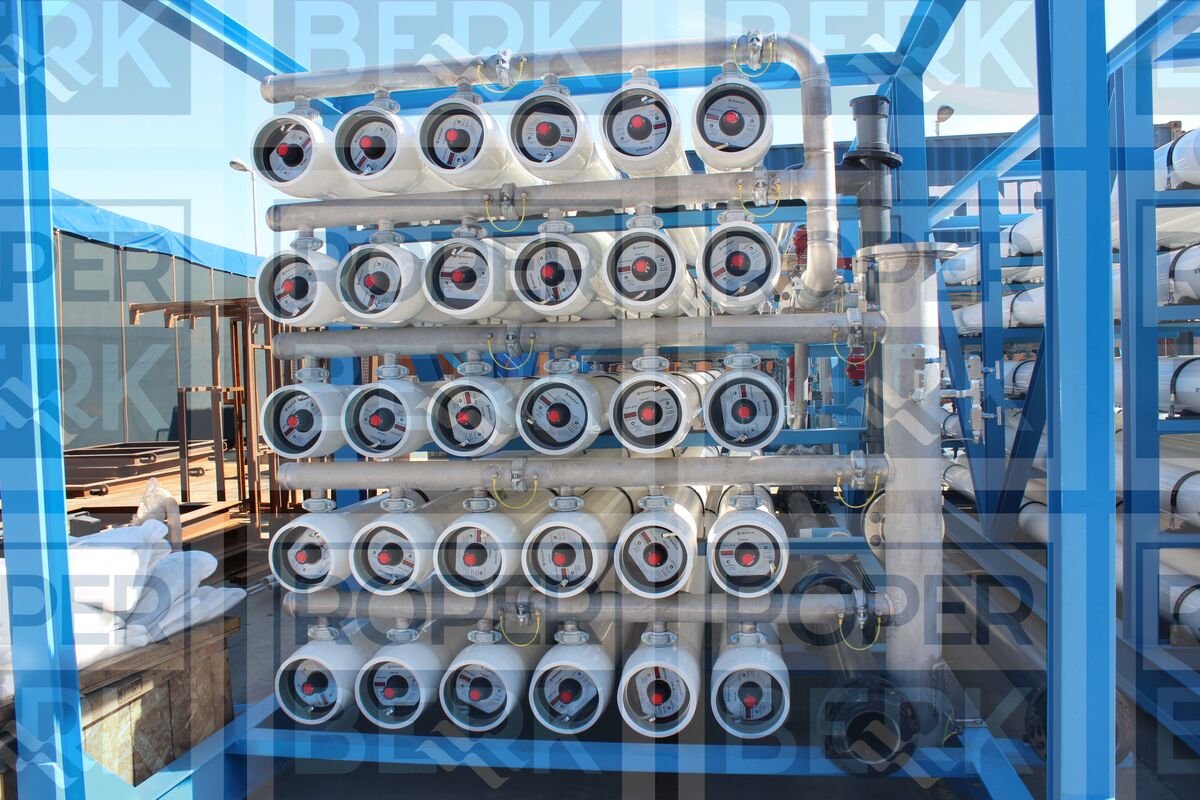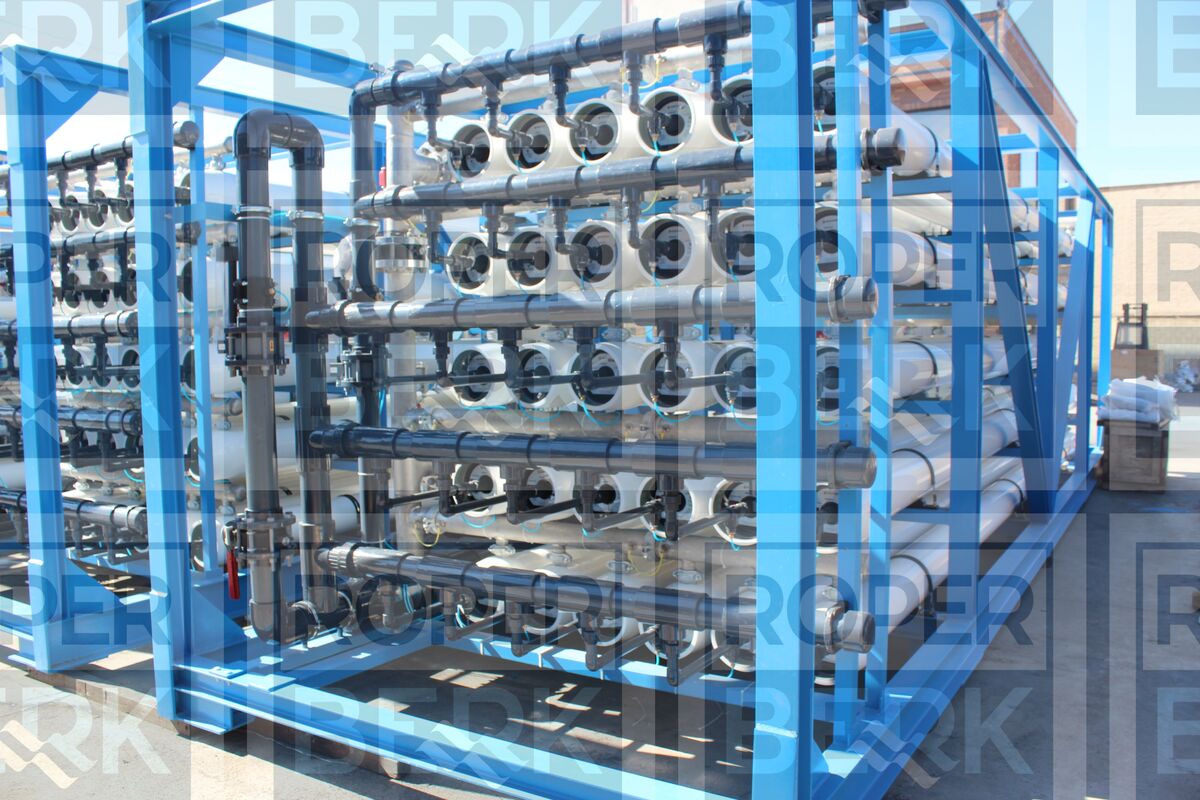
Definition and Applications
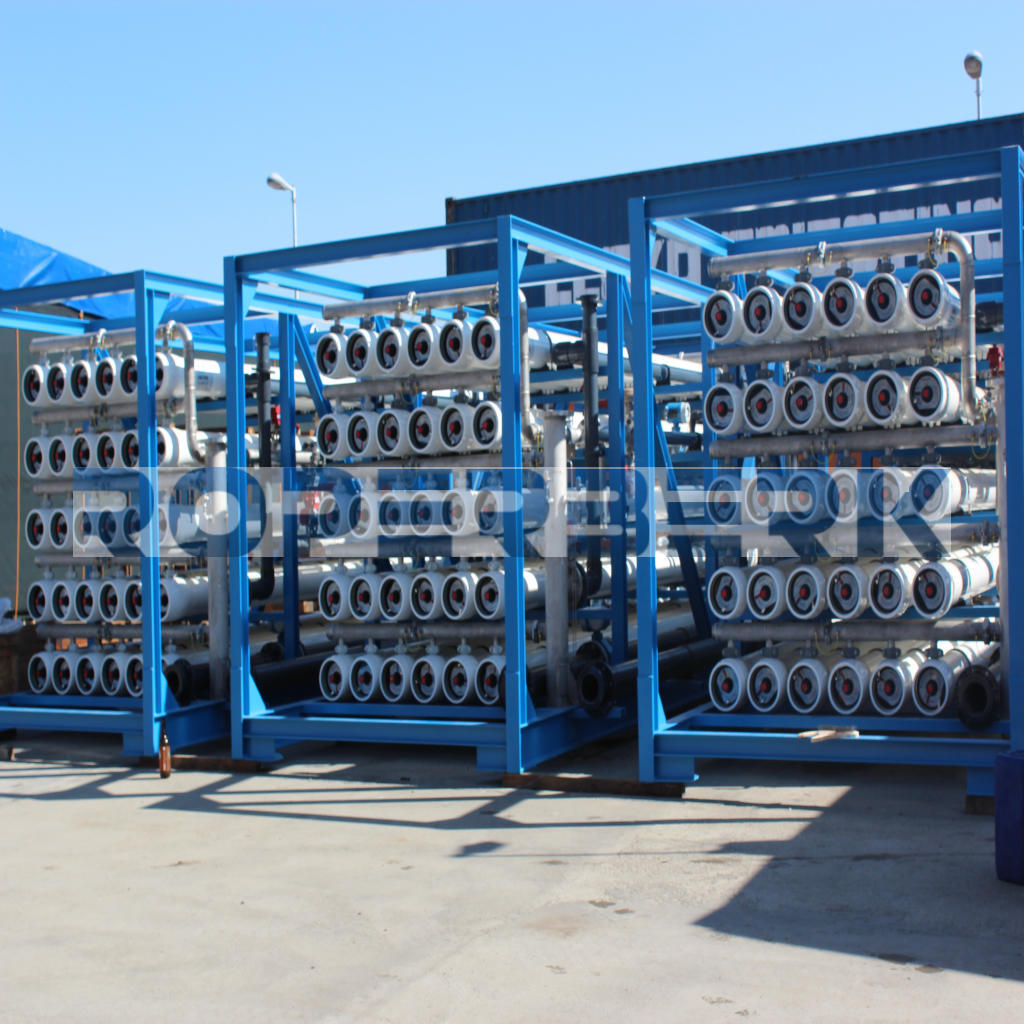
Modular and prefabricated packages (Modular/Containerized Packages) are a new generation of water and wastewater treatment systems in which all components and equipment are assembled and tested in a modular manner in a standard chassis or container at the factory and transported to the project site. This approach has created a fundamental change in the speed of implementation, quality, cost and flexibility of water treatment projects.
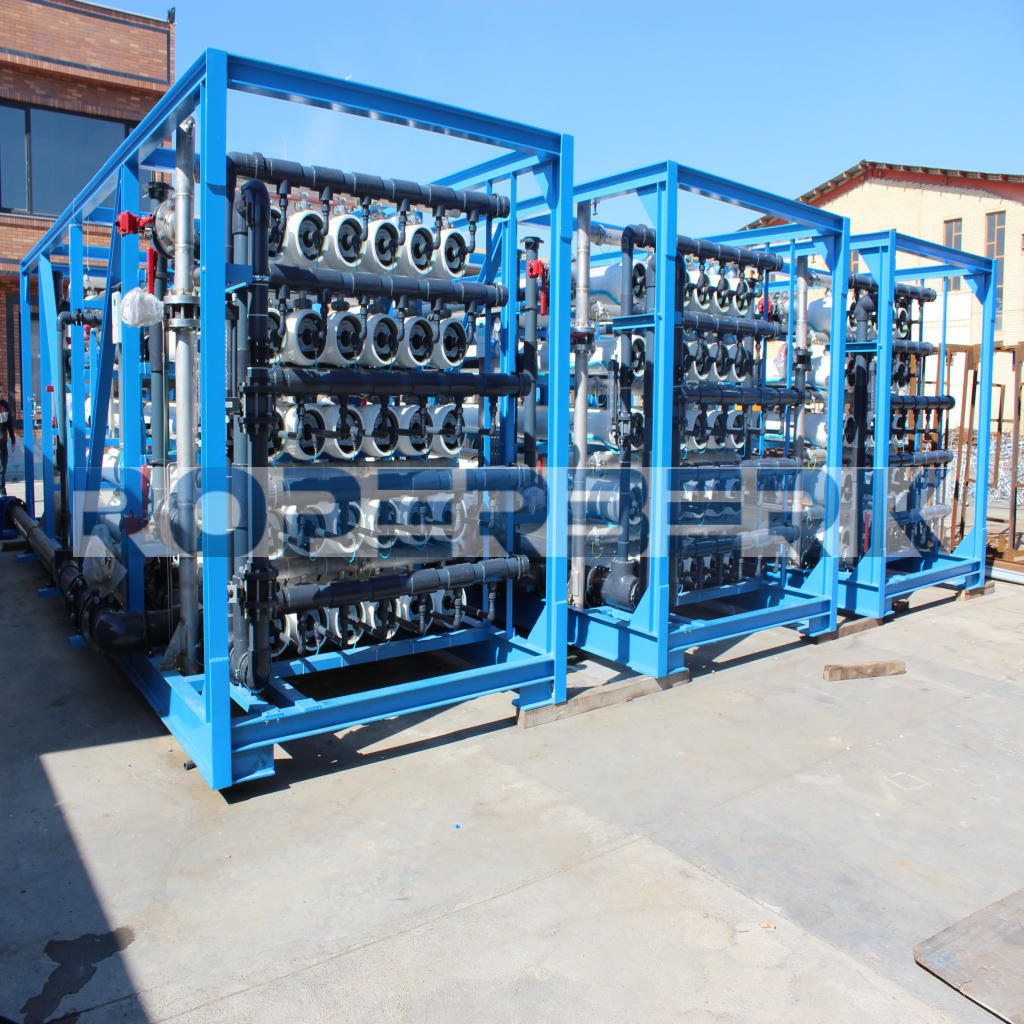

Execution and installation time (FAT/SAT, pre-commissioning)
Reduction of execution time: Modular packages are fully assembled and tested at the factory (FAT – Factory Acceptance Test) and after being transported to the site, they only need to install connections and final commissioning (SAT – Site Acceptance Test). This process reduces execution time by up to 70% compared to traditional methods.
1- Pre-commissioning and quality testing: All equipment undergoes functional, leak, quality control and safety tests before shipment; thus, the risk of errors and rework on site is minimized.
2- Rapid transportability and installation: Container packages can be transported by trailer, crane and even ship, making them an ideal solution for emergency projects or remote areas.
Capital and operating costs (CAPEX/OPEX)
1- Reduced capital costs (CAPEX): Standardized design, mass production, reduced need for on-site construction and elimination of rework reduce the initial investment cost by up to 30%.
2- Reduced operating costs (OPEX): The use of standard components, easy access to spare parts, reduced need for manpower and optimized energy consumption significantly reduce operating costs.
3- Savings in engineering and design costs: The use of pre-engineered modules reduces the cost of design and engineering and allows for the reuse of designs.
Maintenance, expandability and scalability
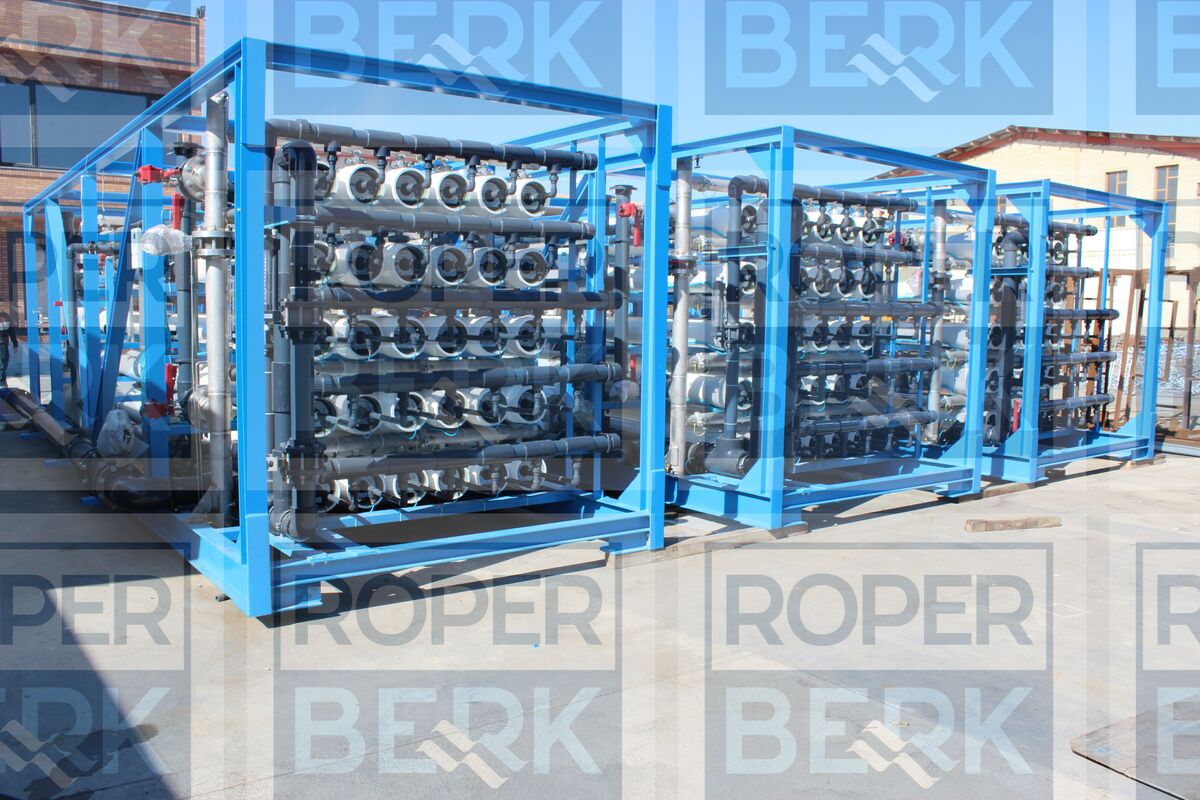
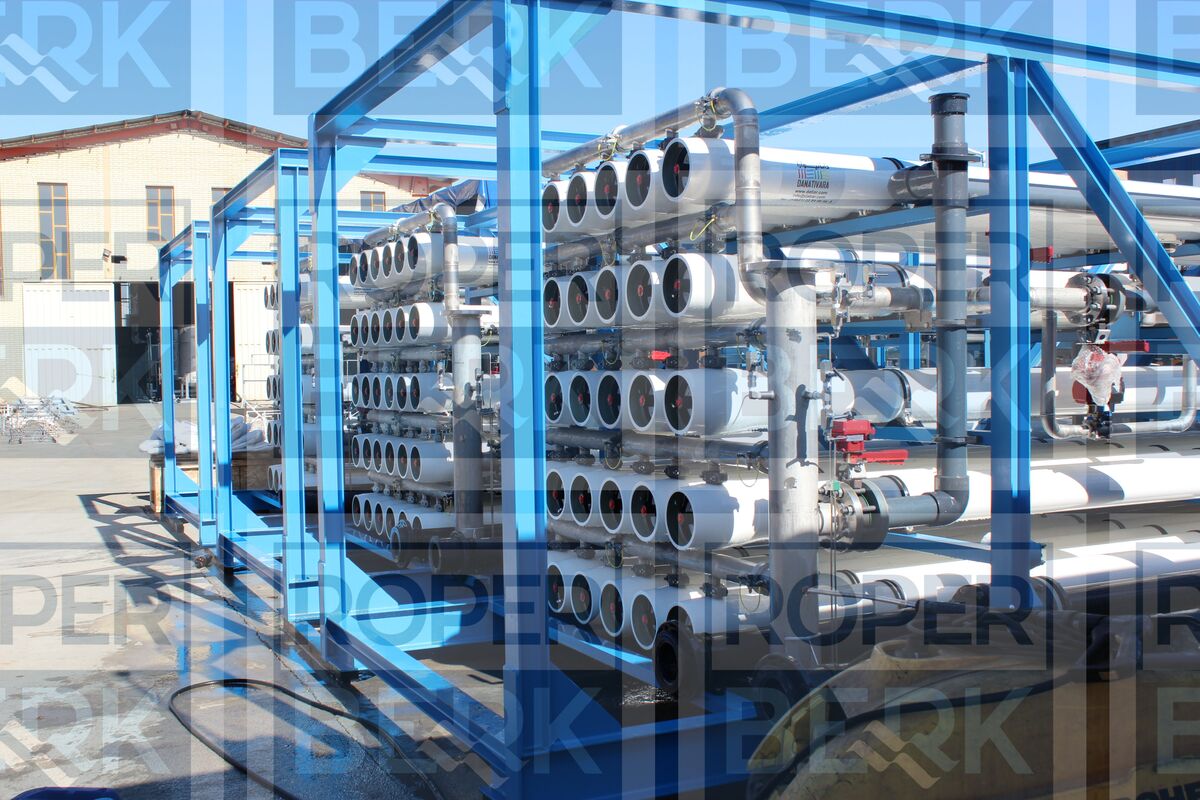
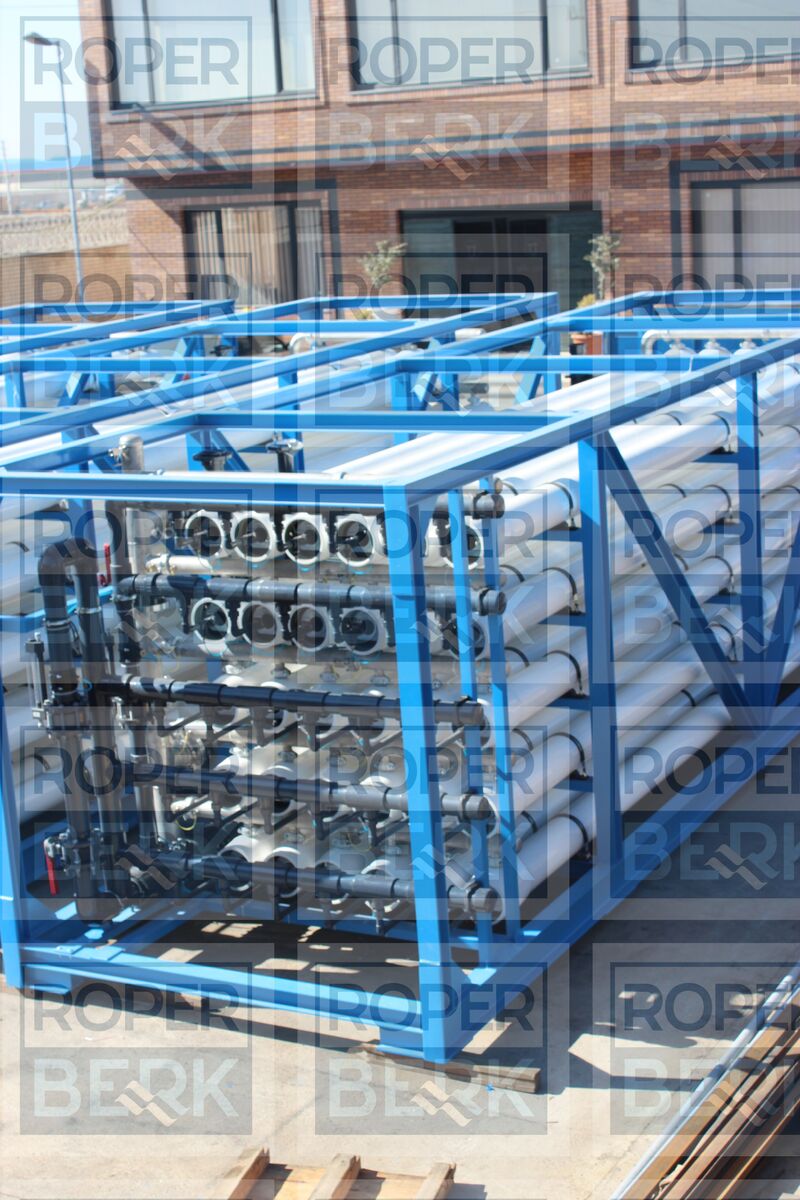
• Easy maintenance: The modular design and easy access to components make maintenance simple and fast. Standard and interchangeable spare parts minimize system downtime.
• Expandability and scalability: By adding new modules, the system capacity is easily increased without the need for major changes to the infrastructure. This feature is very valuable for projects with gradual growth or the need for future expansion.
• Design flexibility: It is possible to combine a variety of modules (RO, UF, EDI, chemical injection, etc.) and adapt to the specific needs of each project.
Compliance with international standards and quality assurance
• Compliance with international standards (ISO, CE, NSF): Modular packages are designed and manufactured by reputable companies in compliance with international standards and receive the necessary certificates.
• Quality assurance and traceability: All production, assembly and testing processes are recorded and documented in the factory, and complete traceability of equipment and parts is possible.
• Compliance with local and international regulations (WHO, EPA, EU): The design and operation of the packages are carried out in accordance with the requirements of the World Health Organization, the US Environmental Protection Agency, the European Union and national standards.
Other advantages and engineering tips
• Reduced footprint: The compact and optimized design reduces the installation space requirement by up to 60% and is ideal for projects with limited space.
• Relocation and reusability: Container packages can be easily relocated and reused in other projects if needed.
• Sustainability and environmental friendliness: Reduced construction waste, efficient energy consumption and component recyclability increase environmental sustainability.
• Risk management and increased reliability: Thorough testing in the factory reduces the risk of errors and increases the confidence that the system will function properly on site.