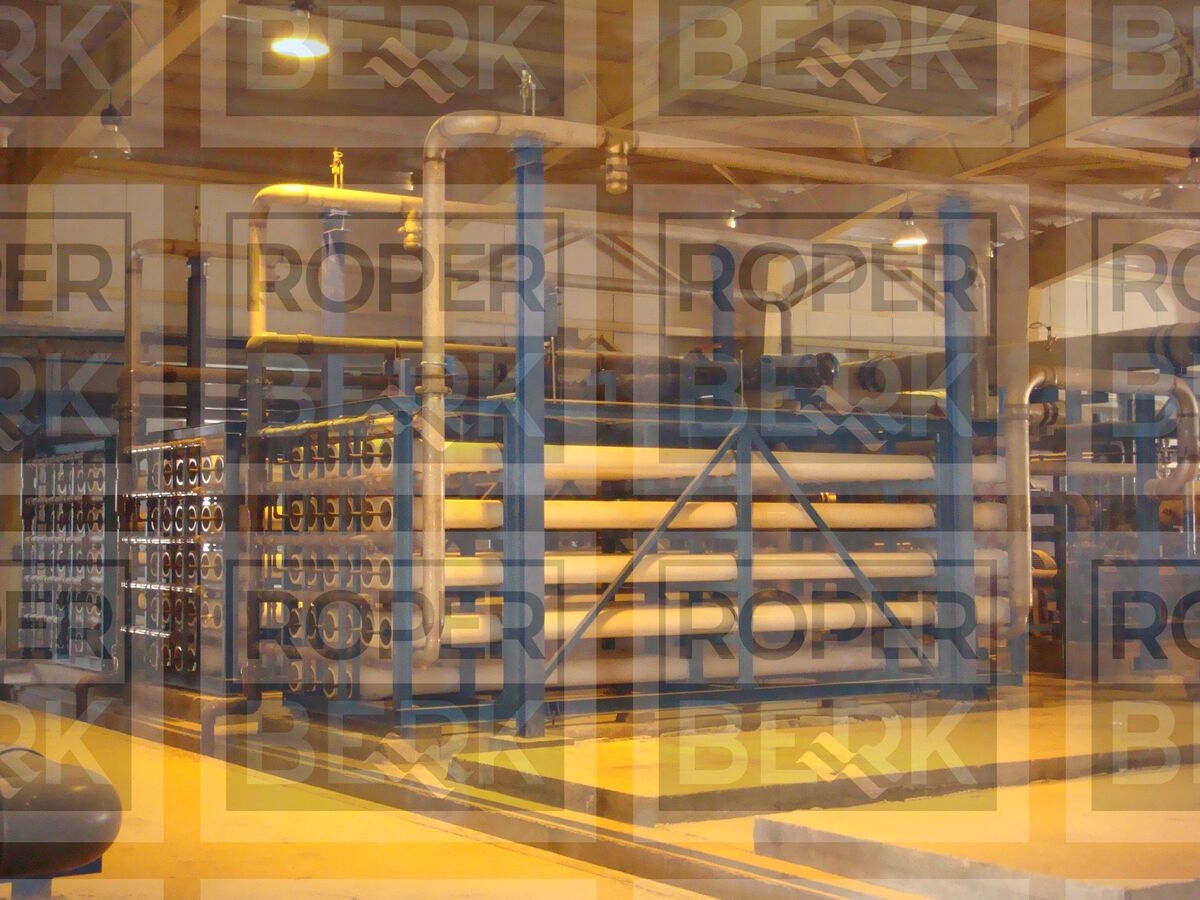
Definition and Applications
Reverse Osmosis (RO) is an advanced membrane technology that uses high pressure to pass water through a semi-permeable membrane, removing ions, dissolved salts, heavy metals, microorganisms, and organic pollutants. It is widely used for producing drinking water, high-purity industrial water, boiler feed water, brackish and seawater desalination, wastewater reuse, and many industrial and municipal applications.
In food, pharmaceutical, power, petrochemical, agriculture, and even large building complexes, RO packages are the primary solution for hardness removal, TDS reduction, and stable water quality.
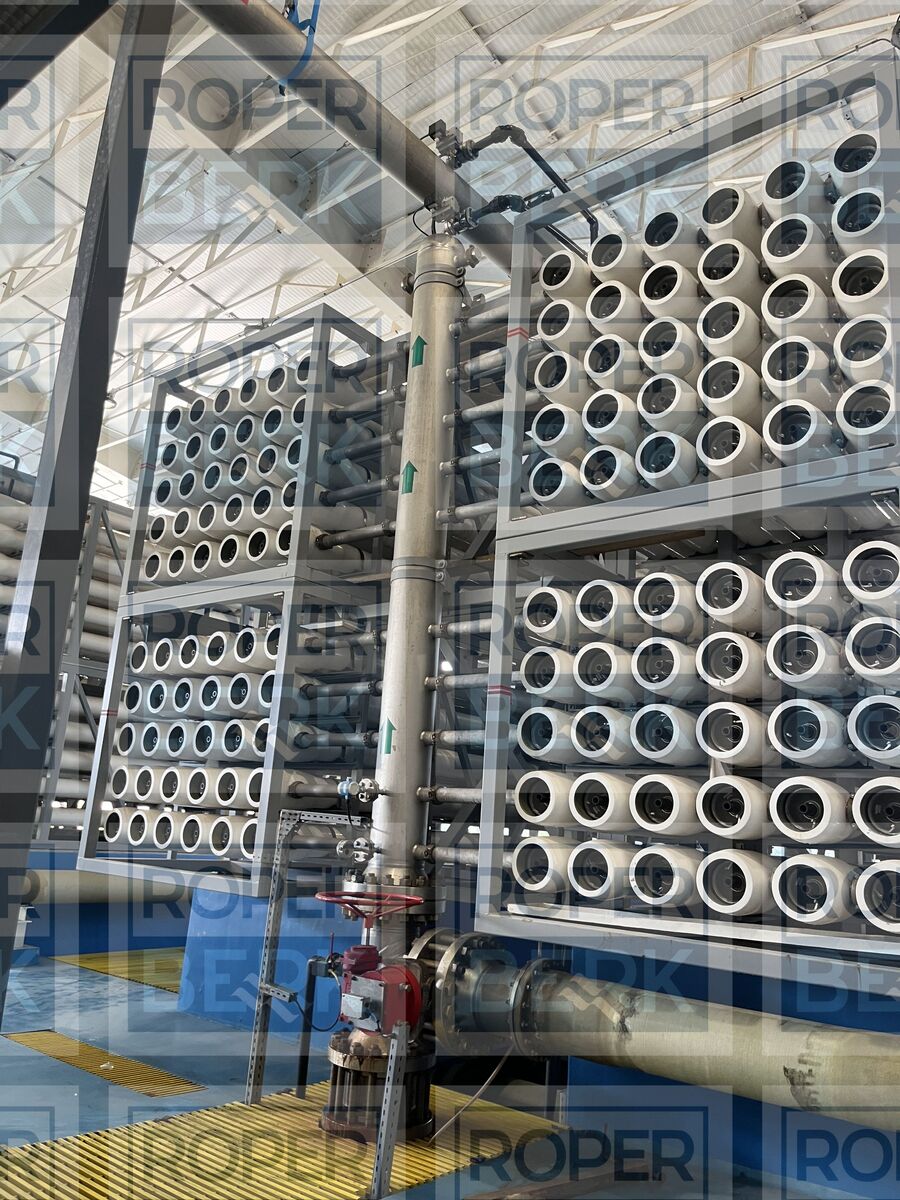
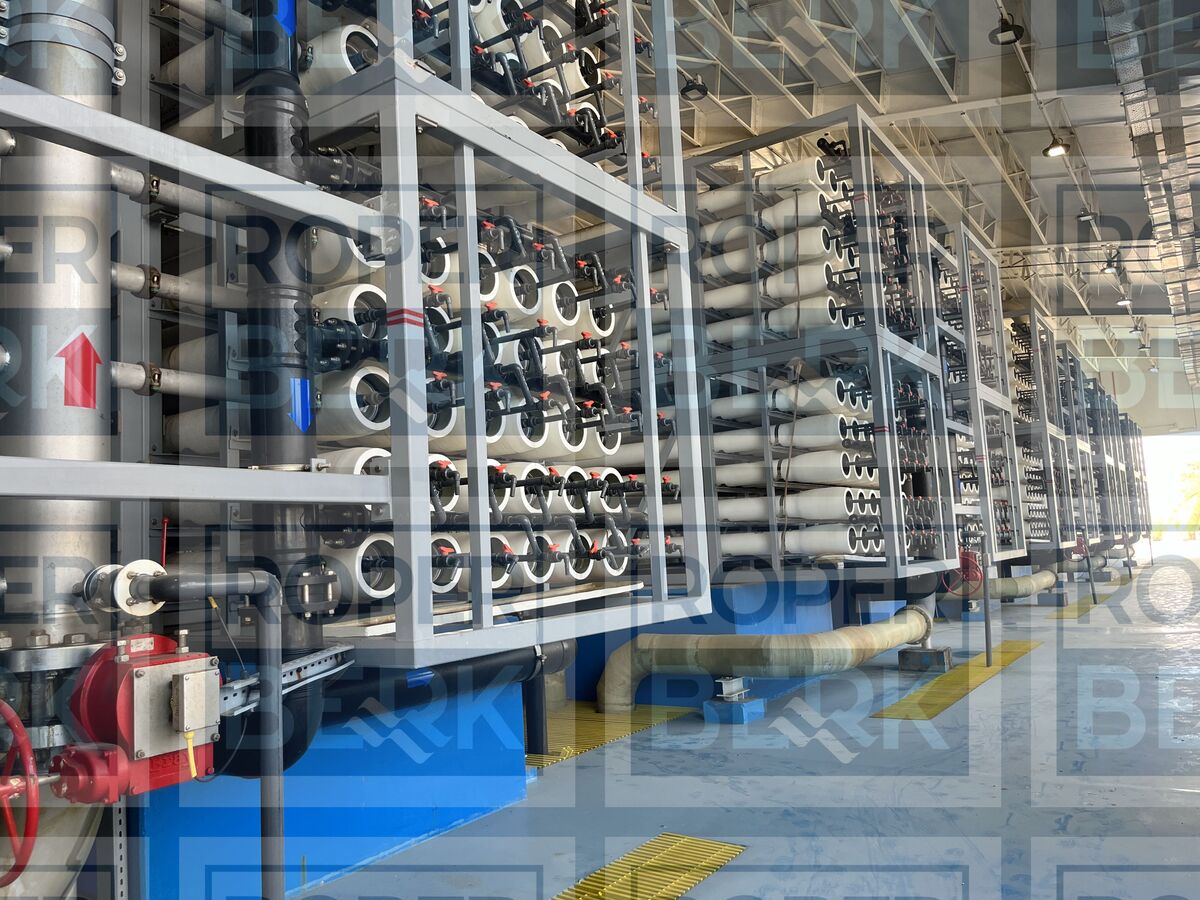
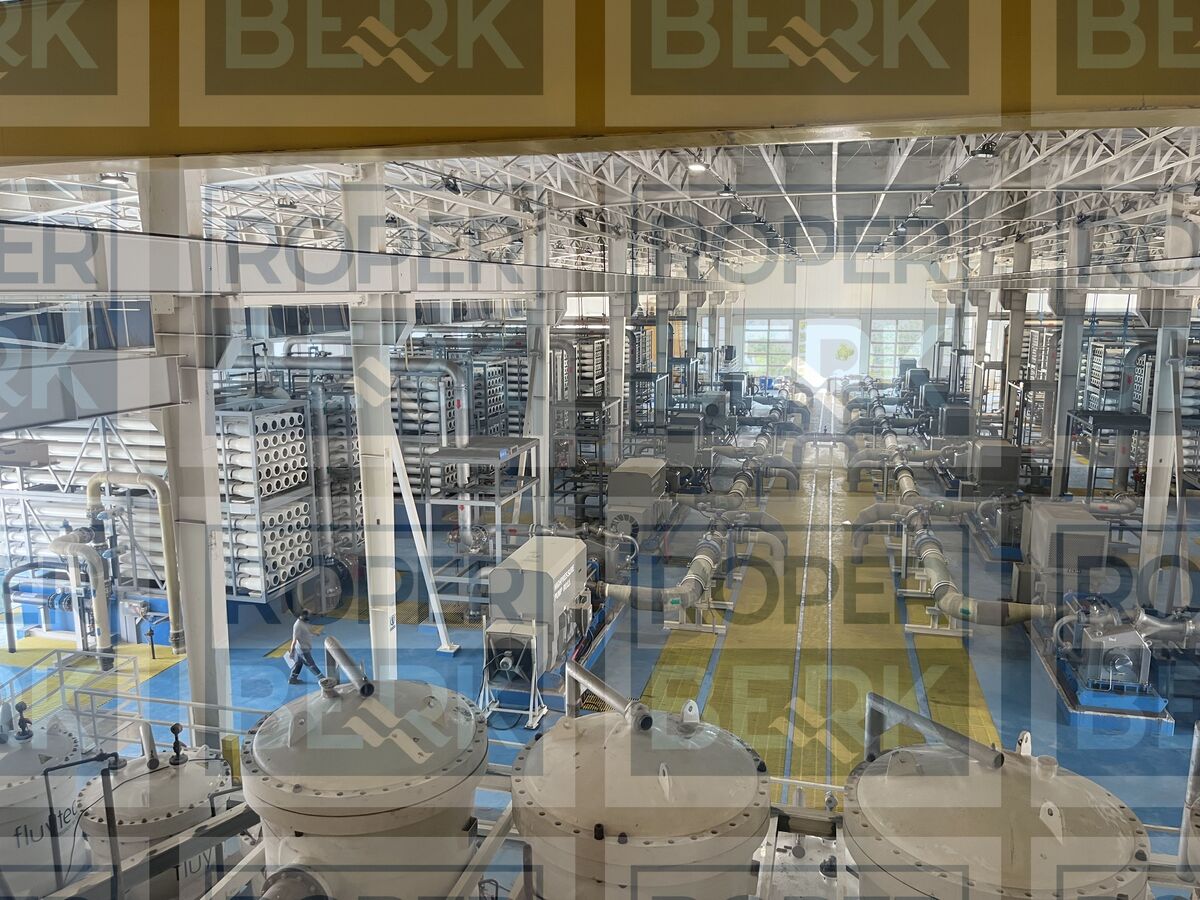
Main Component | Function and Features |
|---|---|
High-pressure pump | Provides required pressure (typically 10–70 bar depending on feed water) |
Pretreatment | Sand filter, activated carbon, cartridge filter, and sometimes chemical dosing (antiscalant, dechlorination) |
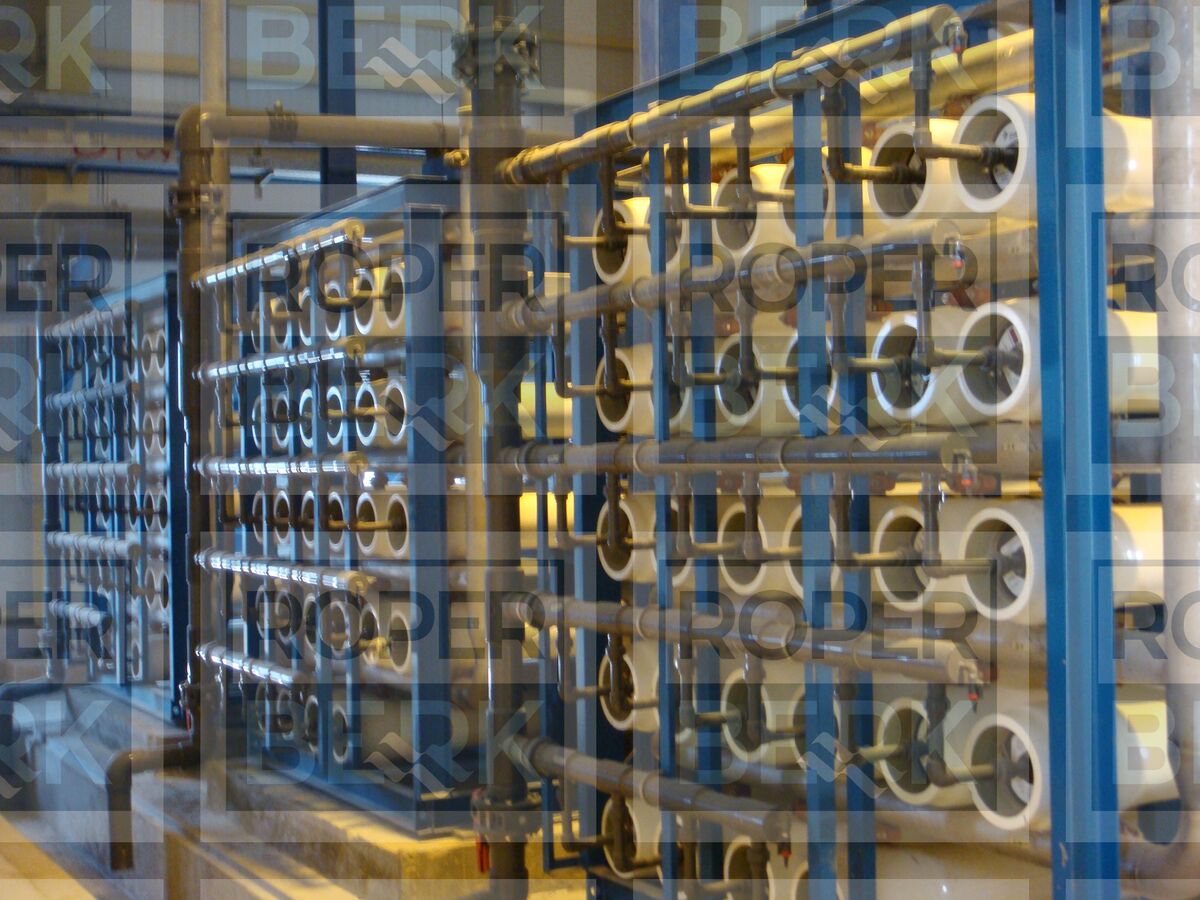
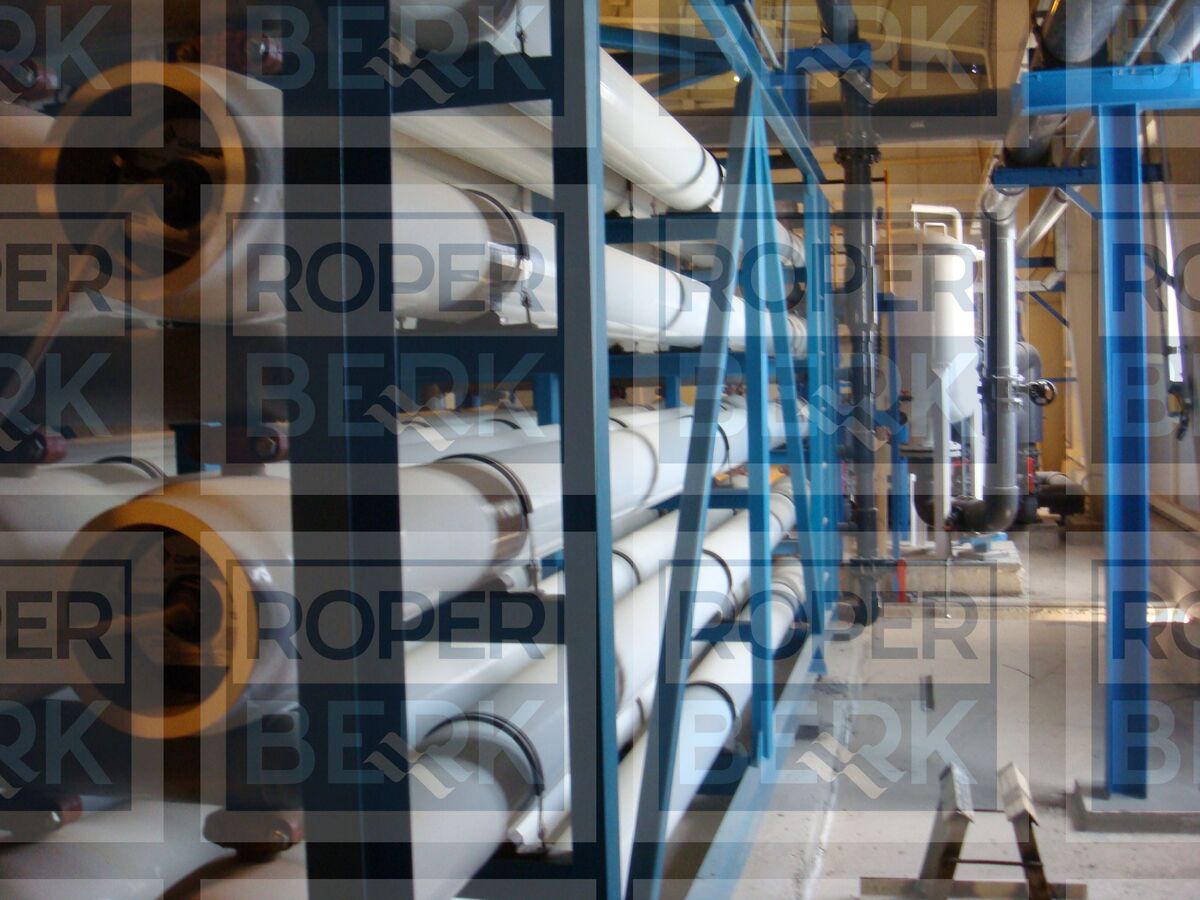
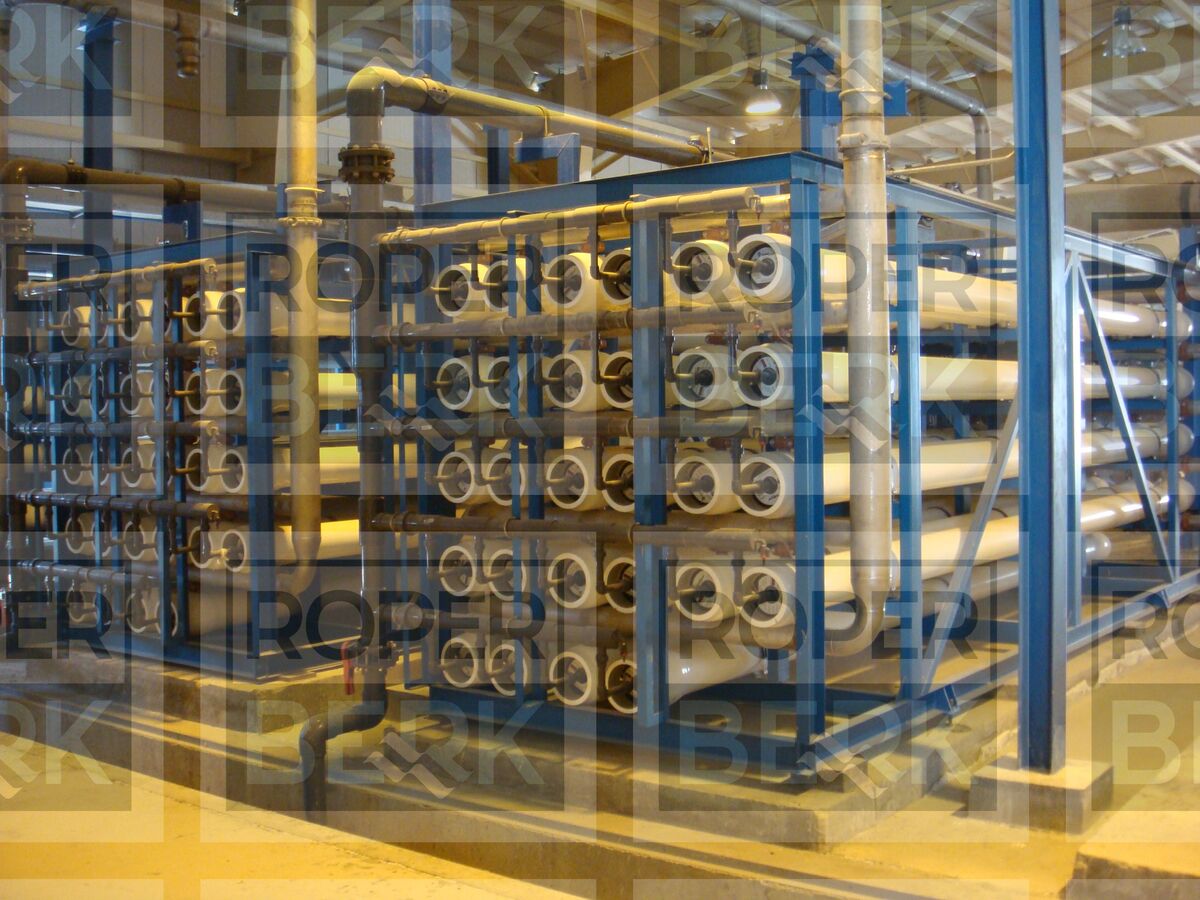
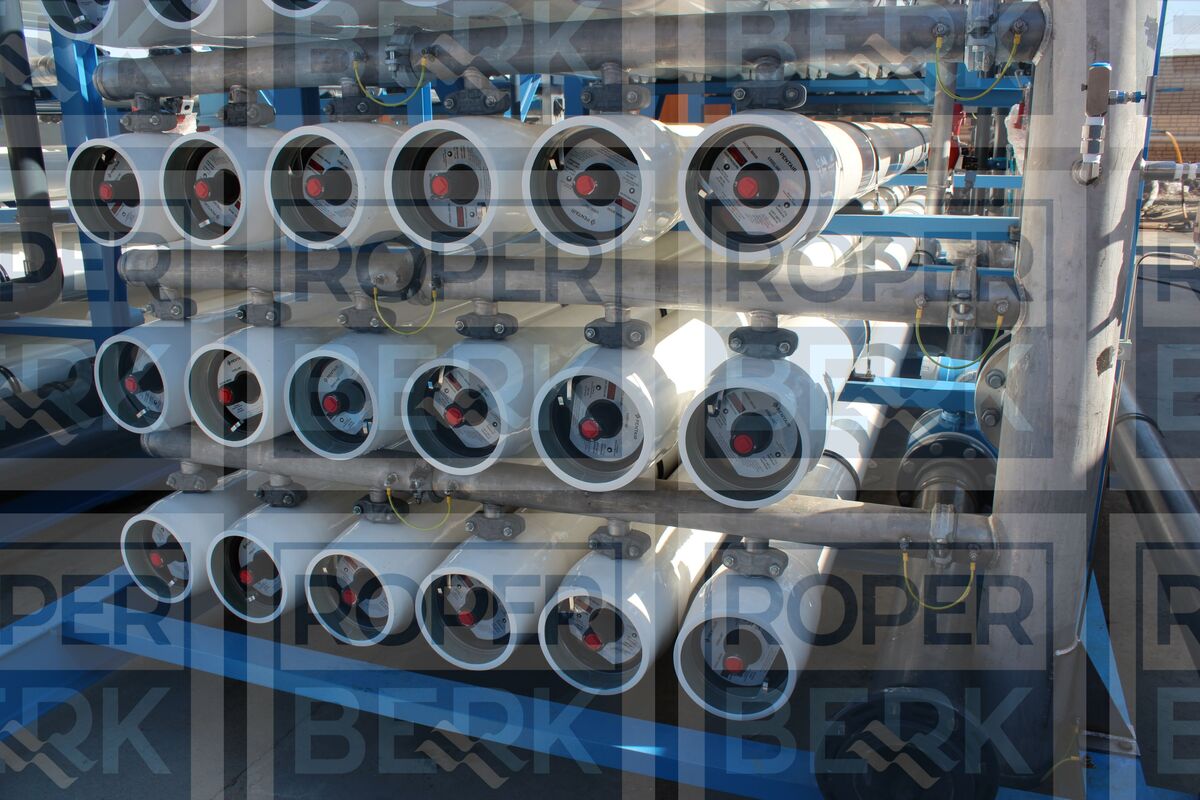
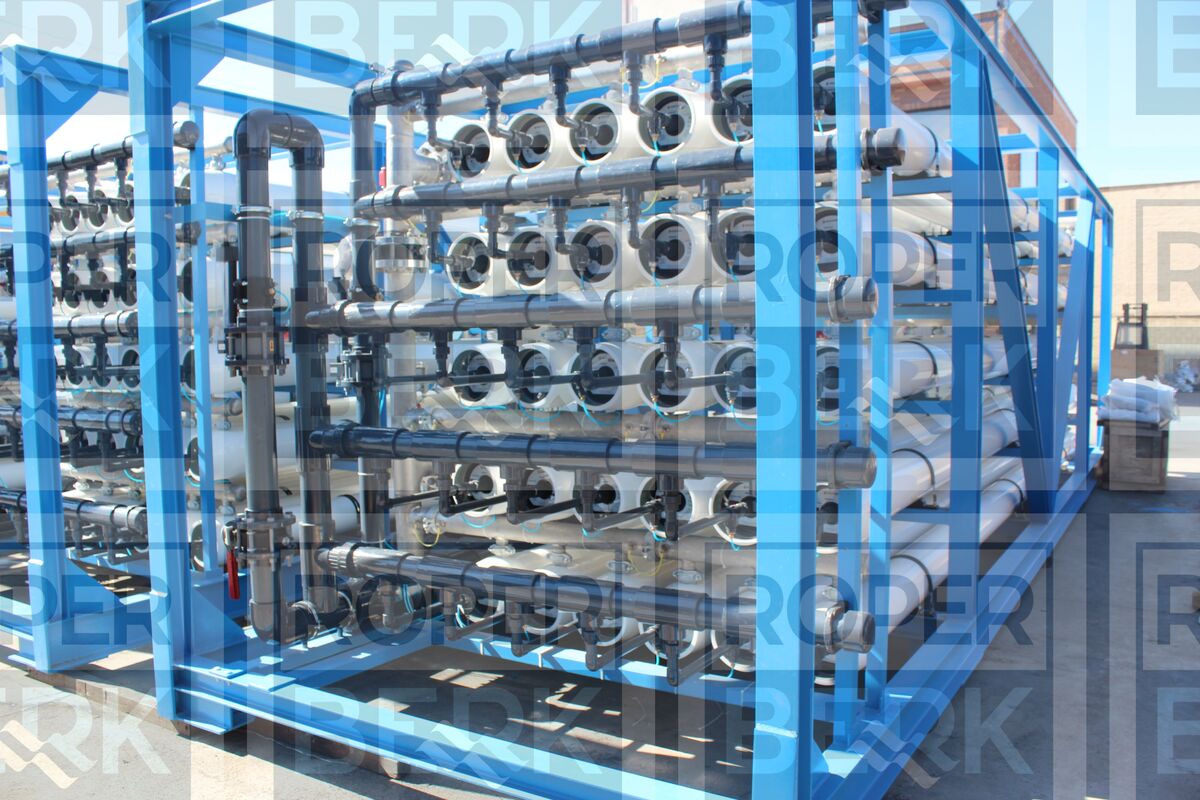
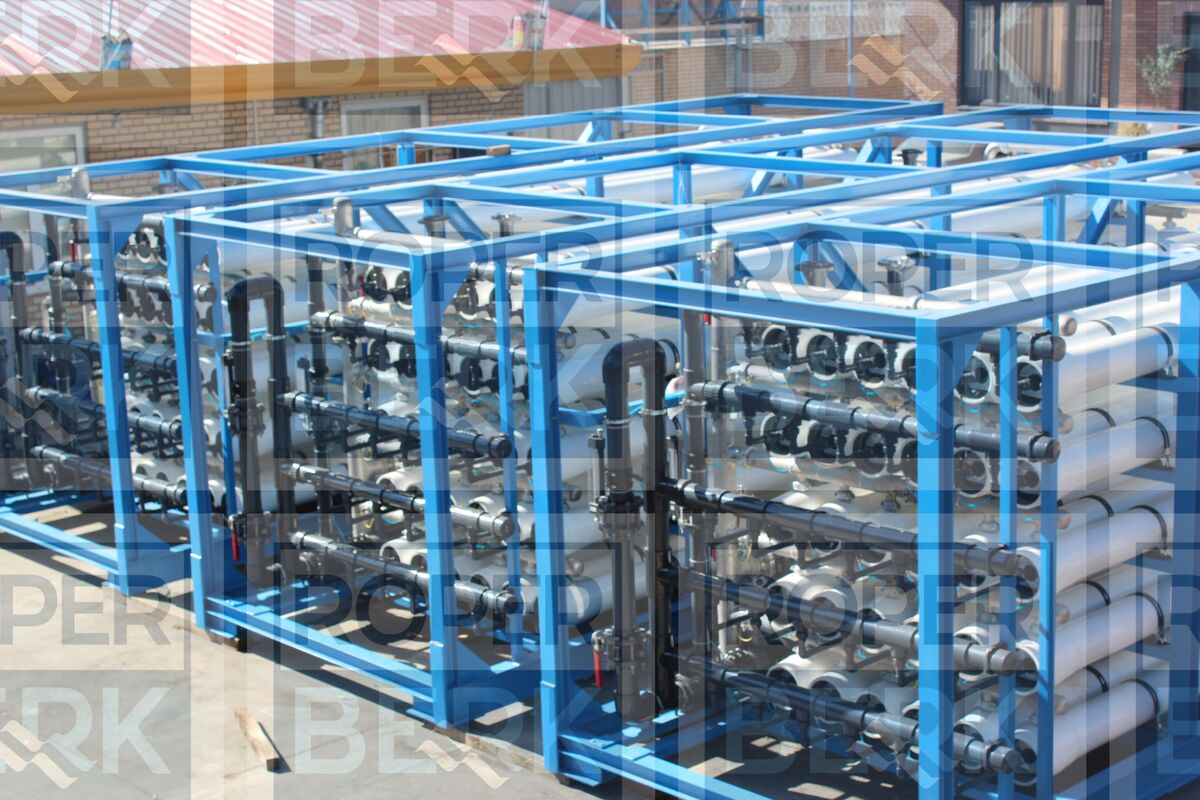
RO membrane module | Semi-permeable membranes (usually polyamide) inside FRP or stainless steel pressure vessels |
Pressure vessel | Housing for membranes under pressure |
Control panel & PLC | Controls operation, monitors pressure, flow, water quality, and performs chemical cleaning (CIP) |
Sensors & instrumentation | Pressure, flow, conductivity (EC/TDS), temperature, tank levels |
CIP system | Periodic cleaning of membranes to extend lifespan |
Storage tank | Collects permeate and reject water |
Process and Design Parameters
RO works by applying pressure greater than osmotic pressure to force water through membranes. Feed water passes pretreatment, enters membrane modules, producing permeate (treated water) and reject (concentrated brine).
Key design parameters:
Advantages, Limitations, and Comparison
Advantages:
Limitations: