Definition and Applications
Demineralization (Demin) or ion exchange systems use cation and anion exchange resins to remove dissolved ions from water, producing very high-purity water. Applications include boiler feed, pharmaceuticals, power plants, electronics, and laboratories. Often used after RO or UF to polish water to conductivity below 1 µS/cm.
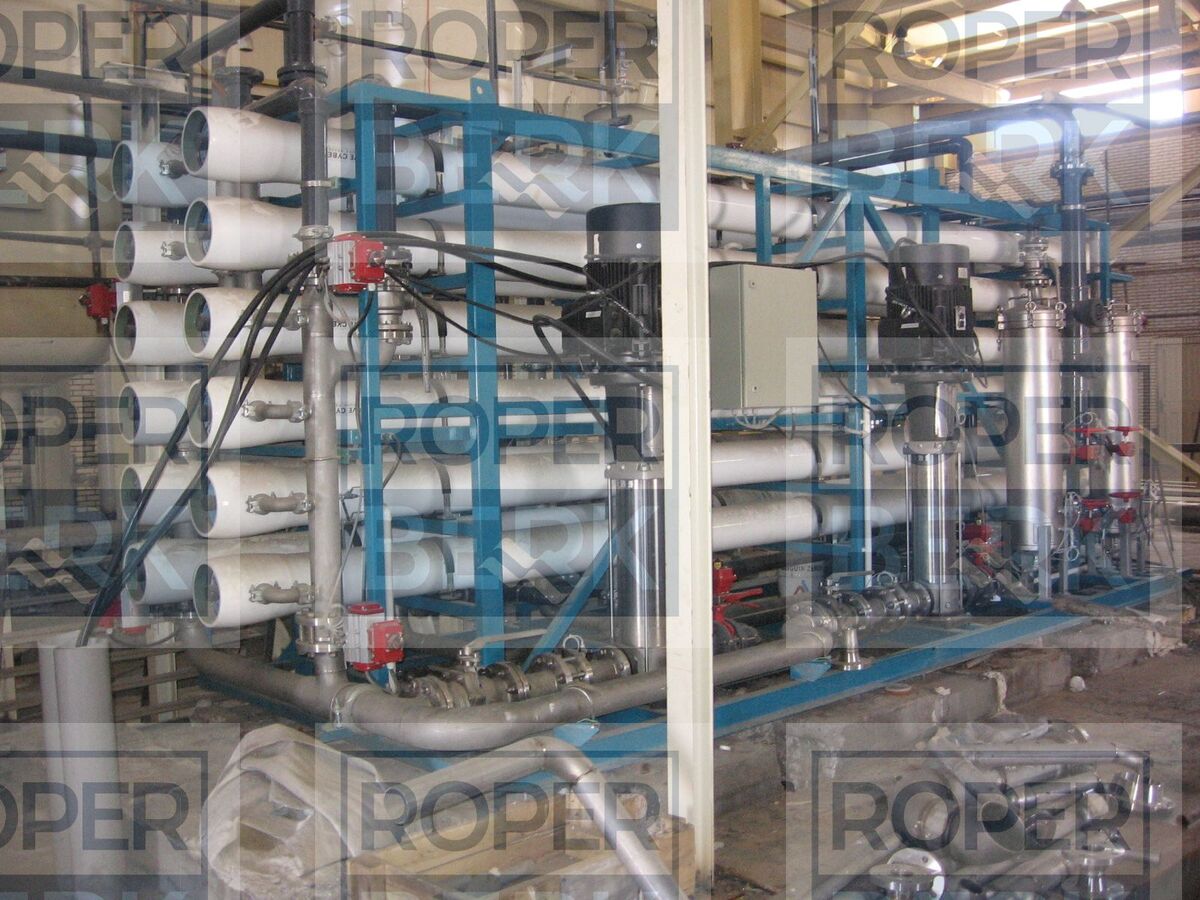
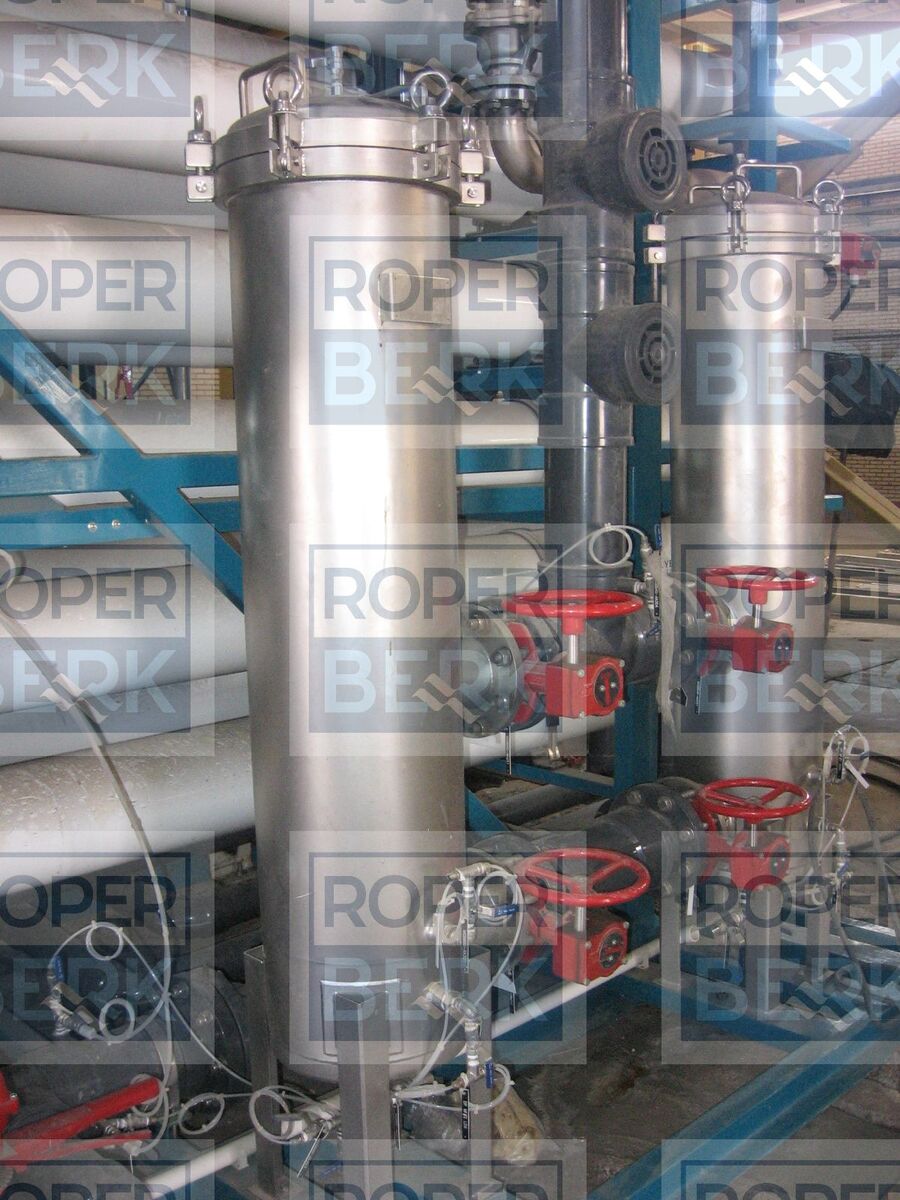
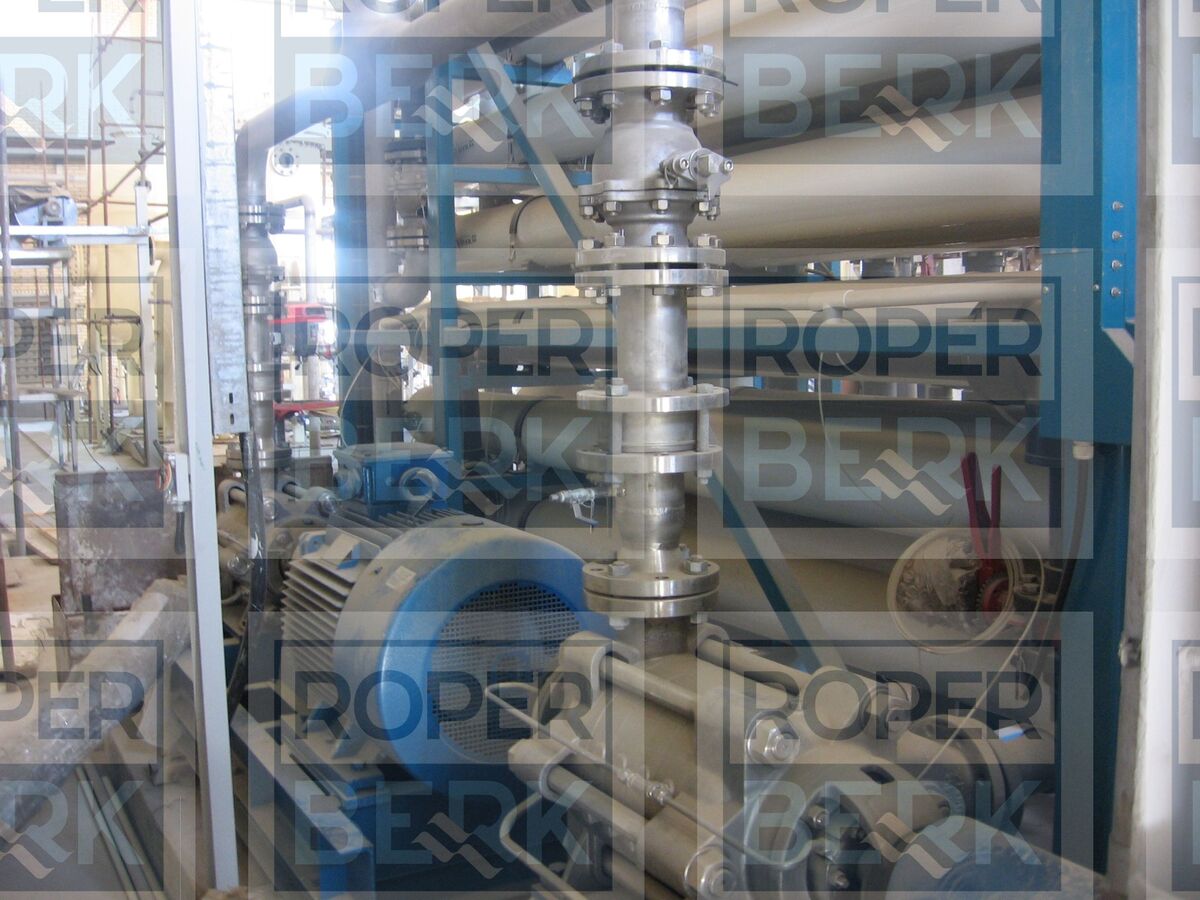
Main Component | Function and Features |
|---|---|
Cation resin column | Strong acid cation resin removes cations (Ca²⁺, Mg²⁺, Na⁺, Fe²⁺) |
Anion resin column | Strong base anion resin removes anions (Cl⁻, SO₄²⁻, NO₃⁻, HCO₃⁻) |
Mixed bed column | Combination of cation and anion resins for ultra-pure water |
Regeneration system | Acid (HCl/H₂SO₄) and caustic (NaOH) tanks for resin regeneration |
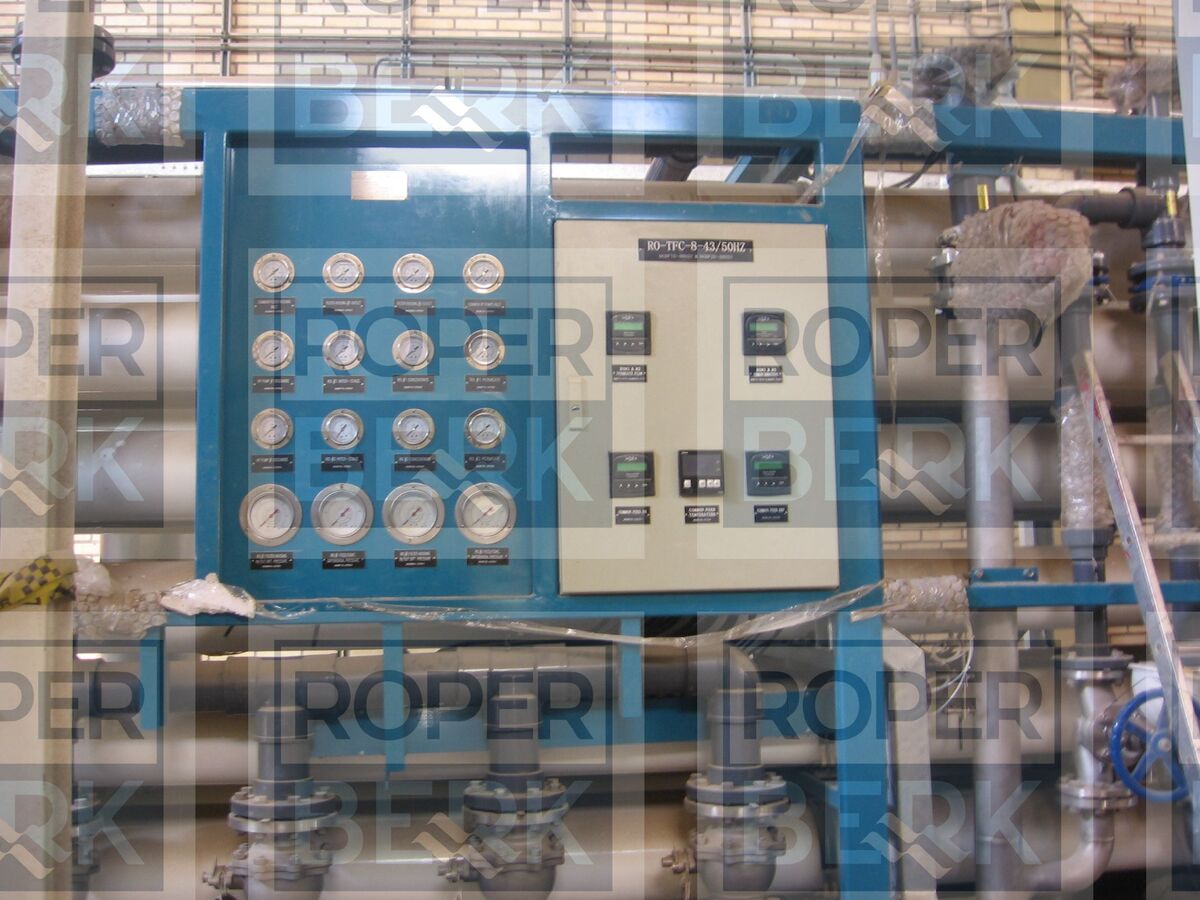
Control panel & PLC | Controls operation, regeneration cycles, monitors water quality |
Sensors & instrumentation | Pressure, flow, conductivity, tank levels, temperature |
Backwash system | Cleans resins and prevents fouling |
| Storage tank | Collects treated and regeneration water |
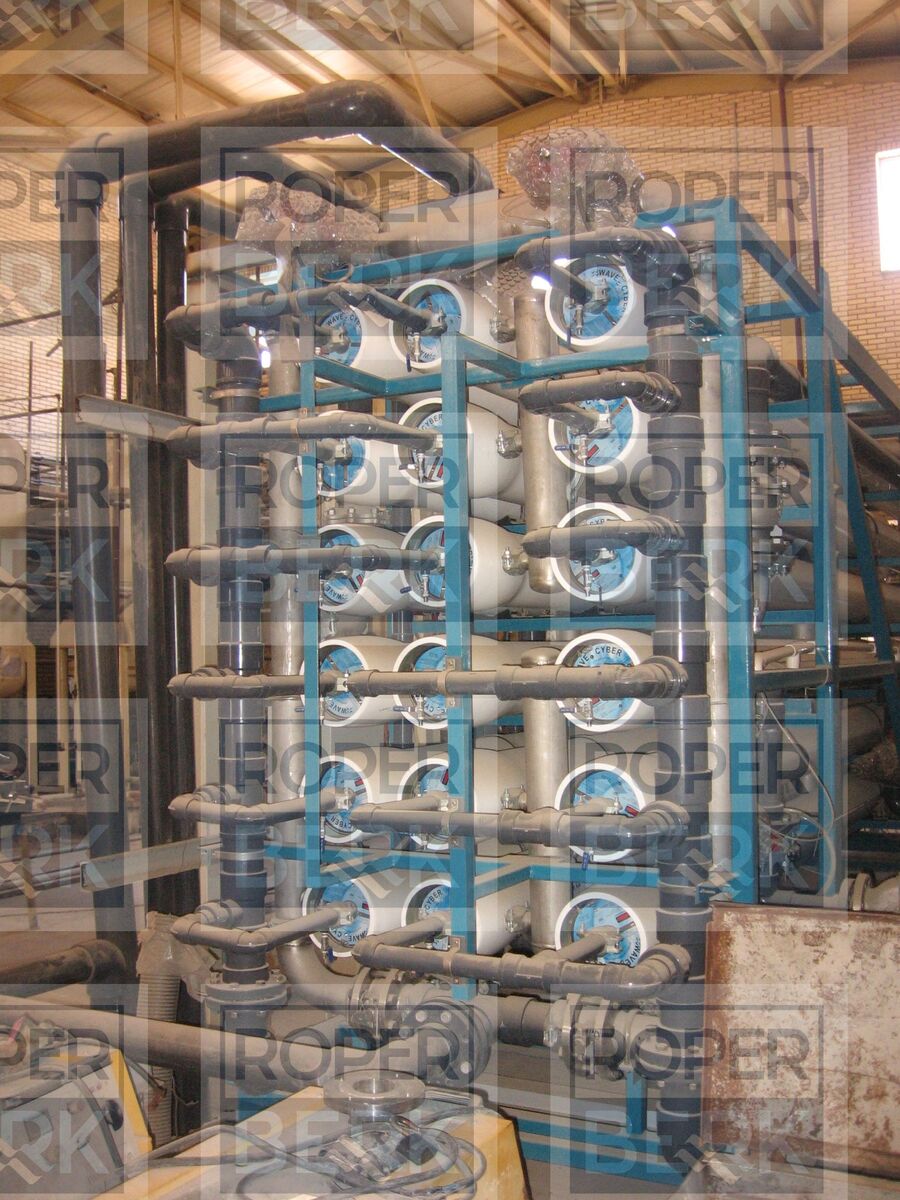
Process and Design Parameters
Ion exchange replaces dissolved ions with H⁺ and OH⁻, producing pure water. Regeneration is required periodically with acid and caustic.
Key parameters:
Advantages and Comparison