Definition and Applications
Ultrafiltration (UF) is a low-pressure membrane technology that removes suspended solids, colloids, bacteria, and viruses from water, while allowing dissolved salts to pass. UF is commonly used as pretreatment before RO, for drinking water treatment, industrial wastewater treatment, water reuse, and in food and pharmaceutical industries.
In industrial and municipal projects, UF plays a key role in protecting RO membranes and extending their lifespan by reducing SDI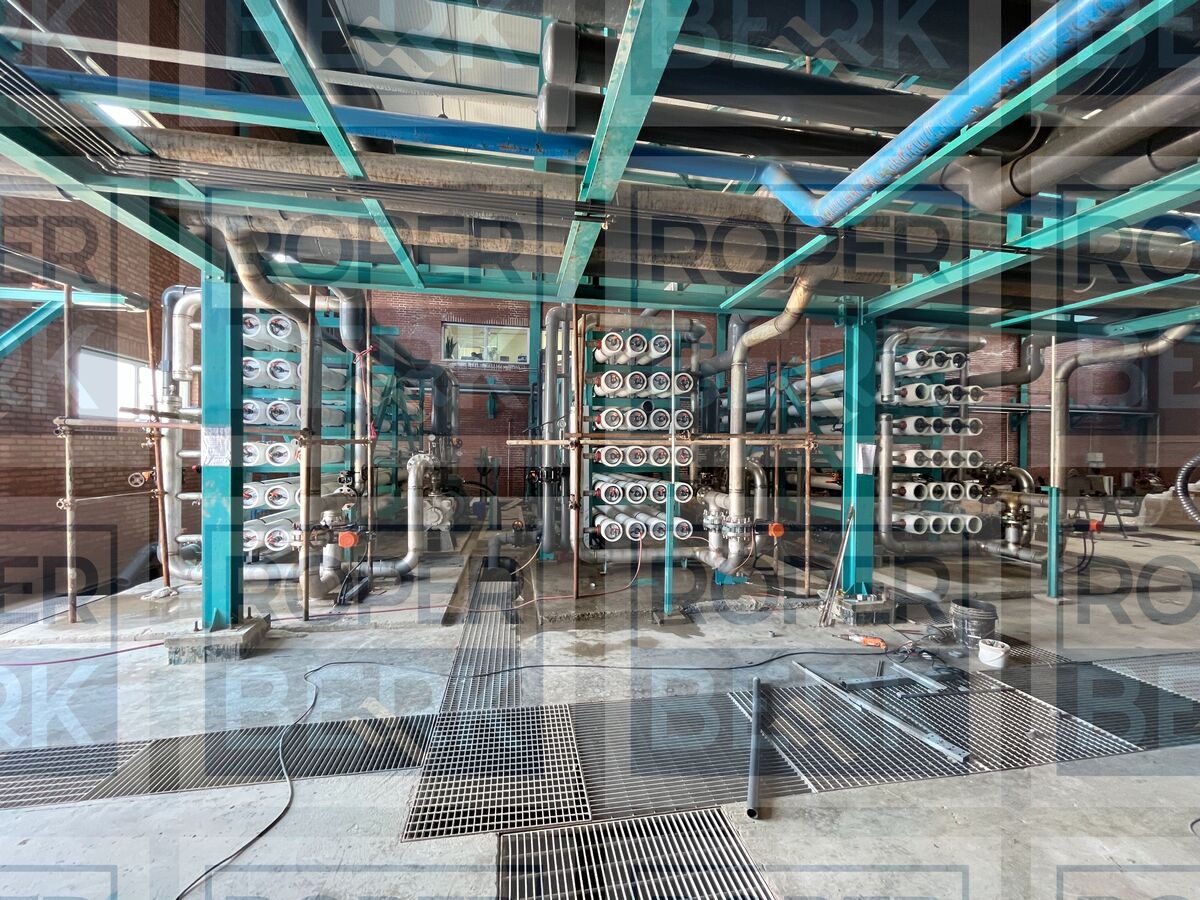
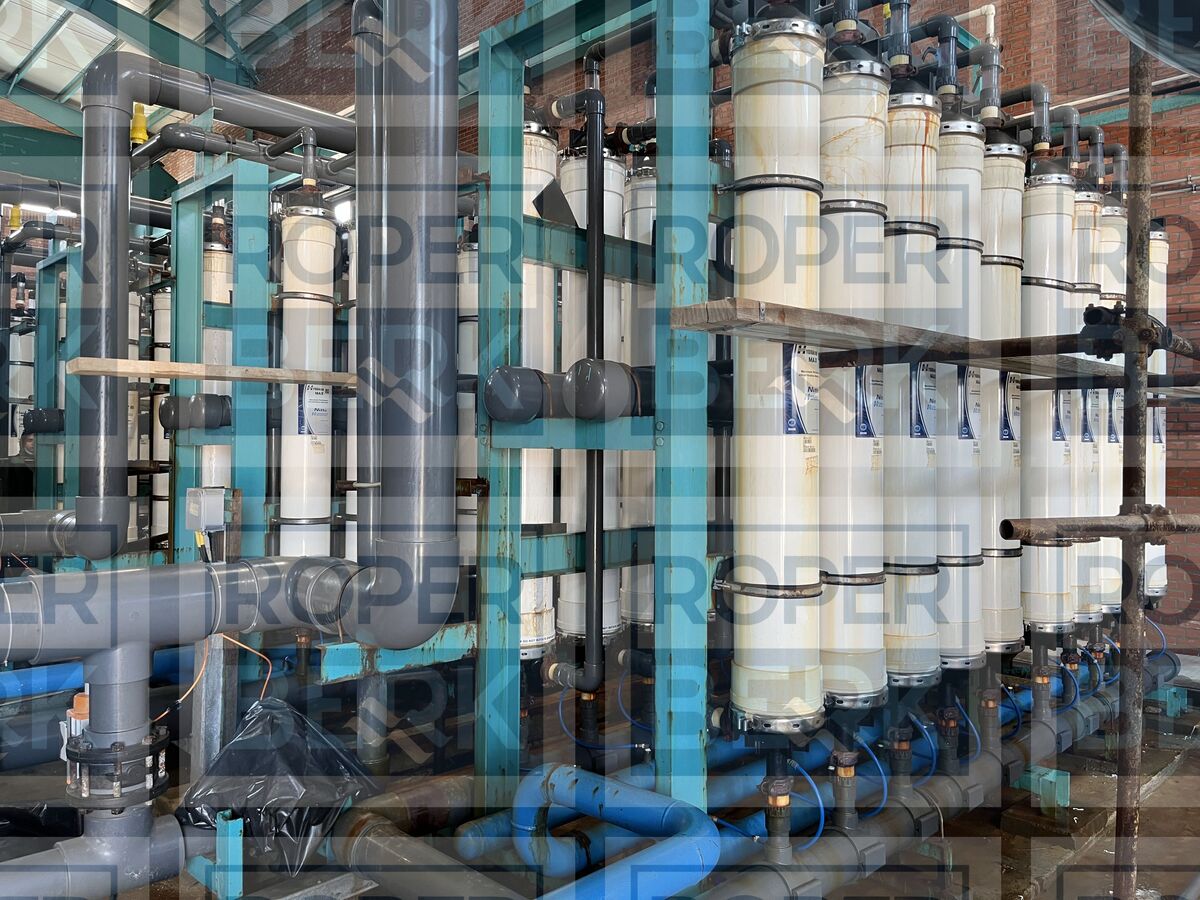
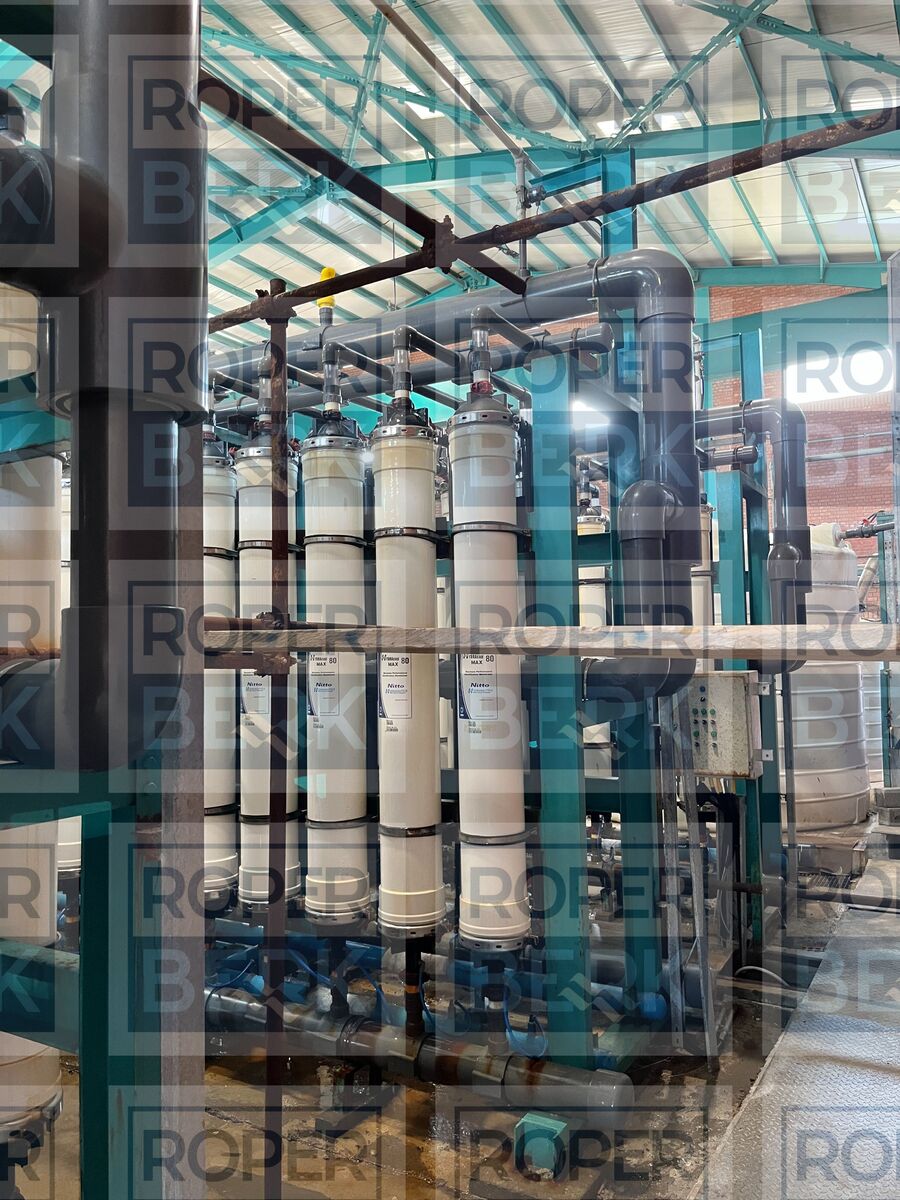
Main Component | Function and Features |
|---|---|
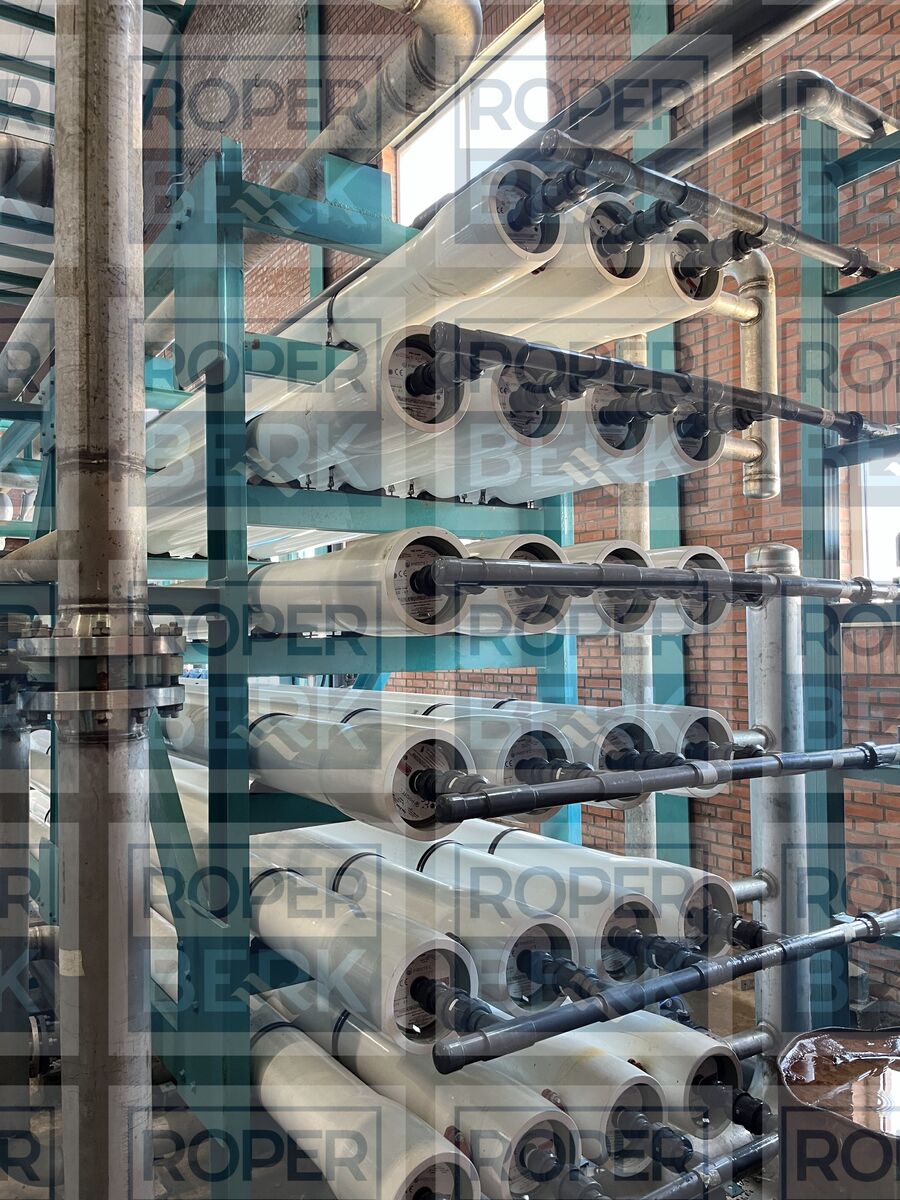
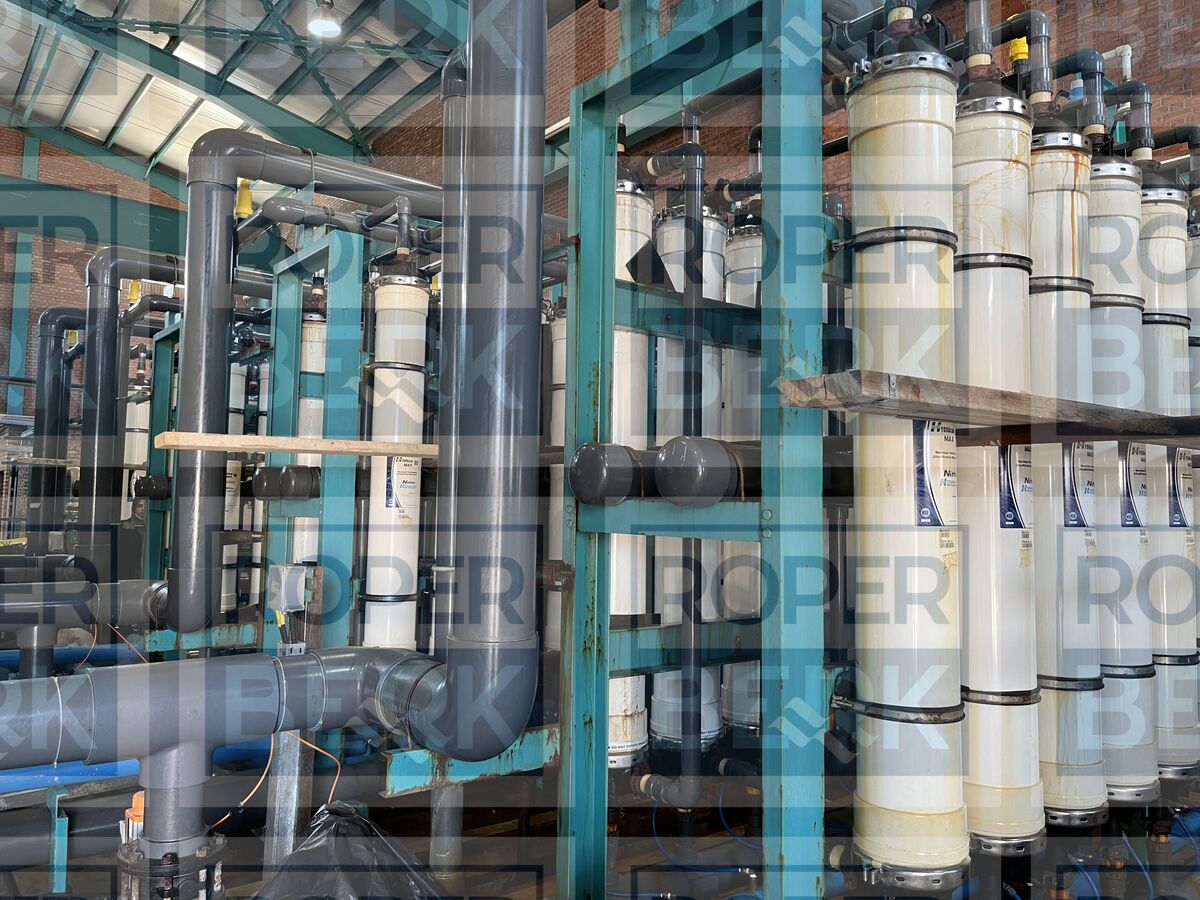
UF membrane module | Hollow fiber or spiral-wound membranes made of PVDF or PES, pore size 0.01–0.1 µm |
Feed pump | Provides required pressure (typically 1–5 bar) |
Backwash system | Automatic backwash to remove accumulated particles |
CIP system | Chemical cleaning for organic, mineral, or biological fouling |
Control panel & PLC | Controls operation, backwash cycles, monitors TMP, flow, and water quality |
Sensors & instrumentation | Pressure, flow, TMP, turbidity, tank levels |
Prefilter | Basket or cartridge filter (100–300 µm) to protect membranes |
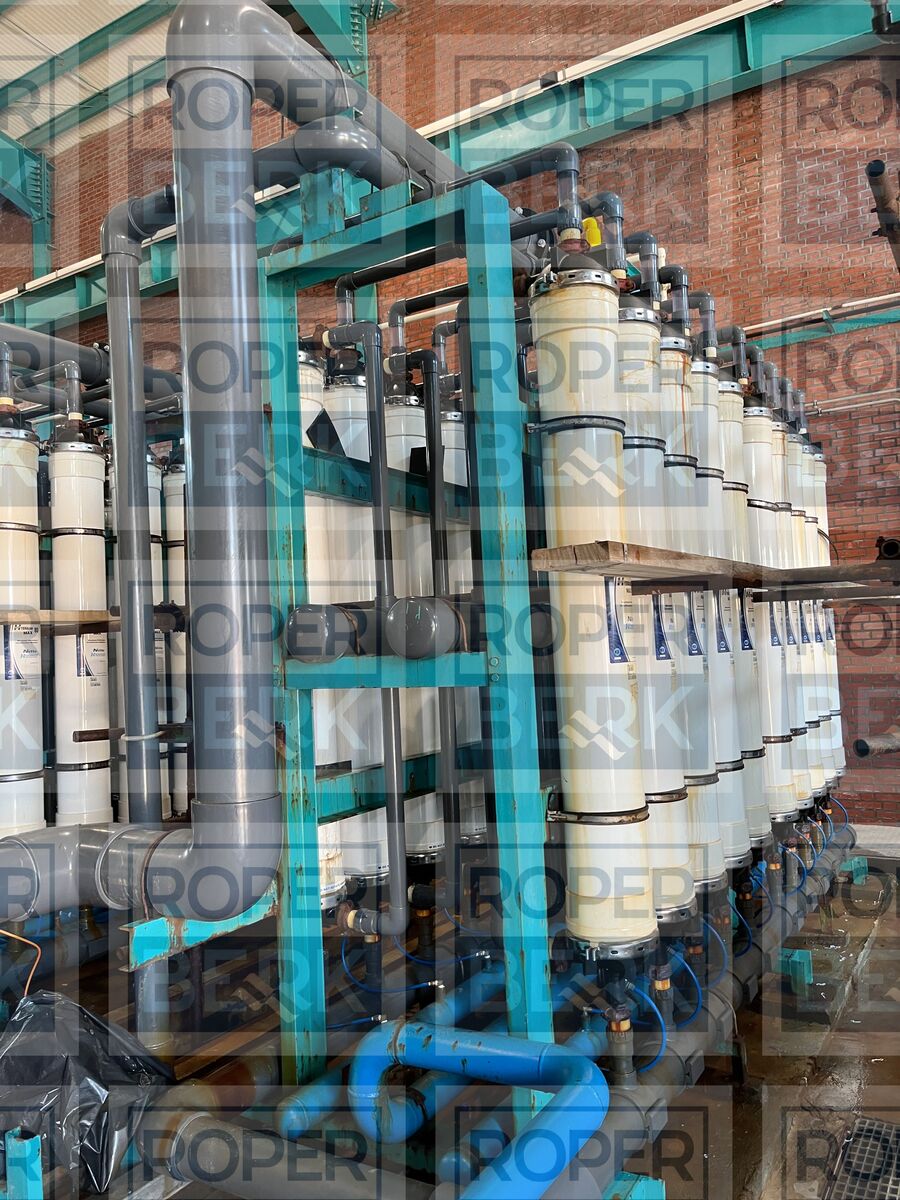
Process and Design Parameters
UF works by passing water through semi-permeable membranes under low pressure. Suspended solids and microorganisms are retained, while permeate passes through.
Key parameters:
Advantages and Comparison
Suspended solids removal | UF | RO | Sand Filter |
|---|---|---|---|
| Suspended solids removal | Very high | High | Medium |
| Dissolved solids removal | Low | Very High | Very low |
| Microorganism removal | Very high | High | Medium |
| Energy consumption | Low | Medium | Very low |
| Chemical use | Low | Low | low |
| Fouling sensitivity | Medium | High | Low |
| Maintenance | Easy | Medium | Easy |